

Jen McLellan, founder of Plus Size Birth®️ and host of the Plus Mommy Podcast, is joining Dr. Dekker to explore how birth workers can provide compassionate, size-inclusive care for people in larger bodies. Jen shares her journey to founding Plus Size Birth®️, the impact of size bias in healthcare, and practical advice for both expectant parents and birth professionals. Together, they discuss how to challenge assumptions about plus-size pregnancies, the importance of self-advocacy, and how to create a welcoming and supportive environment for all bodies during pregnancy, birth, and postpartum.
Resources
-
Get the Plus Size Pregnancy Guide and Audio Book here.
-
Sign up for the Size-Friendly Birth Course for Birth Professionals here.
-
Tune in to the Plus Mommy Podcast here.
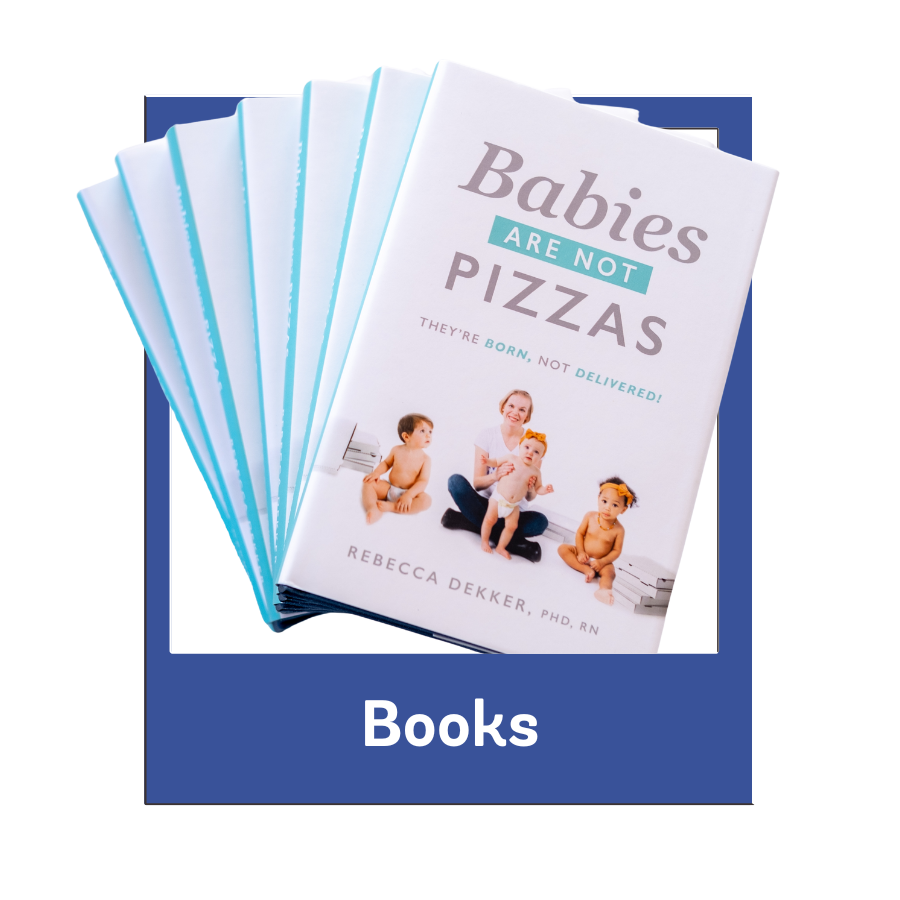
For more information about Evidence Based Birth and a crash course on evidence based care, visit www.ebbirth.com. Follow us on Instagram and YouTube! Ready to learn more? Grab an EBB Podcast Listening Guide or read Dr. Dekker’s book, “Babies Are Not Pizzas: They’re Born, Not Delivered!” If you want to get involved at EBB, join our Professional membership (scholarship options available) and get on the wait list for our EBB Instructor program. Find an EBB Instructor here, and click here to learn more about the EBB Childbirth Class.
Chapter Guide

Transcript
Dr. Rebecca Dekker – 00:00:00:
Hi, everyone. On today’s podcast, we’re going to talk with Jen McLellan about how birth workers can provide size-inclusive care. Welcome to the Evidence Based Birth® Podcast. My name is Rebecca Dekker, and I’m a nurse with my PhD and the founder of Evidence Based Birth®. Join me each week as we work together to get evidence-based information into the hands of families and professionals around the world. As a reminder, this information is not medical advice. See ebbirth.com/disclaimer for more details. Hi everyone, and welcome to today’s episode of the Evidence Based Birth® Podcast. I am so excited to welcome Jen McLellan back to the EBB podcast. Jen is a childbirth educator, published author, founder of Plus Size Birth®, and host of the Plus Mommy Podcast. Jen helps people navigate the world of plus size pregnancy, shares tips for embracing her body, and laughs her way through the adventures of parenthood. With more than 8 million page views, Plus Size Birth® is the premier plus size pregnancy resource, trusted by parents and professionals around the world. And the Plus Mommy Podcast was named one of the best pregnancy podcasts by The Bump®. Jen’s work has appeared in so many major publications, ranging from the New York Times to Glamour and CNN. As a public speaker, Jen has been featured at numerous events, including presenting at the National Institutes of Health. And Jen, not only being a certified childbirth educator, is also a wife and a mother to a charismatic teenager. Welcome back, Jen, to the Evidence Based Birth® Podcast.
Jen McLellan – 00:01:41:
Thank you so much for having me, Rebecca. I adore you and appreciate all your work and shout it out all the time. So it’s exciting to be back.
Dr. Rebecca Dekker – 00:01:49:
Yes, I am so excited to have you back to pick your brain about all kinds of amazing topics. And for our listeners who maybe weren’t around the first time you came on the EBB Podcast, could you tell us a little bit about your journey to founding Plus Size Birth®? And what inspired you to advocate for size-inclusive care?
Jen McLellan – 00:02:09:
Sure. When I got pregnant in 2000 and oh my gosh, 2010. How do I have a teenager now, Rebecca? Our kids were little when we first connected. There wasn’t a lot of information around how to have a healthy plus size pregnancy. There was a lot of negativity. There wasn’t #plussizepregnancy where we can just now see so many bodies that look like, you know, how we might see ourselves in the mirror sometimes represented in social media even. But I hired a doula who encouraged me to look into the midwifery model of care. I wanted an unmedicated birth. That was important to me, but I just didn’t know what my body was capable of doing. I ended up having a completely healthy pregnancy, which I read online that I would for sure have gestational diabetes and have a Cesarean birth. And I gave birth on my knees in a hospital with complete support and had amazing size-inclusive prenatal care. And just this birth that really changed everything for me and helped me to realize the strength and power of my body. And after I gave birth and settled into parenthood, though I joke I don’t know when I’ll ever feel settled into parenthood, I started a blog because I just was like, why isn’t there information on how to be healthier or just even positive information? Or what if my care provider is not very nice to me? How do I navigate this? And where in the heck do I find cute plus-size maternity clothes? And I developed those resources and it just exploded in 2011 and changed my life forever. And I created everything that I was searching for and have been so thankful of the reach that that has made and how many lives it has impacted.
Dr. Rebecca Dekker – 00:04:05:
I think you’re right. I’m thinking back to those years and how that was such a gap that there was a lot of judgment and labeling and discrimination, which we still struggle with those problems today, but there wasn’t inspiring or hopeful information either, right? There also wasn’t research, Rebecca. There wasn’t research about weight bias in maternity care, which blows my mind. Yes, you know, it feels like a long time ago, but it really wasn’t that long ago. We didn’t finally get research on weight bias in maternity care until 2020. And I remember going to a conference around that time. It was a nursing conference. And they had all the attendees take the survey to like uncover your biases against plus size people. And it was like, that was a new thing at that time. Any healthcare worker could tell you that there has been prejudice and discrimination and worse treatment for people of size for many, many years in our country. It’s like not a new problem. Yeah.
Jen McLellan – 00:05:16:
No. And people who exist in larger bodies have so many different other identities as well, right? Different marginalizations that might be a Black person or a person in the LGBTQ+ community. So there’s these layers of different marginalizations that we also know in the healthcare community have different biases that need to be addressed and need to be talked about too. So it’s definitely one of many biases. But for some people, it overlaps many biases.
Dr. Rebecca Dekker – 00:05:48:
That’s so true. What are some of the biggest misconceptions you still see out there about plus size pregnancy that like maybe parents or healthcare workers are grappling with?
Jen McLellan – 00:05:59:
Assumptions. Assumptions about what a person’s body is capable of, whether they are the individual who’s pregnant or the care provider. So I see a lot of assumptions of, oh, I will have a high-risk pregnancy or I still even I can only have a Cesarean birth. There are some awful things that we still hear. You know, it doesn’t happen often, but it still happens of care providers, you know, telling people you must have a Cesarean birth because of your size, which that’s not even evidence based. And that’s not like an ACOG recommendation in any way, shape or form. But there’s just these assumptions about what larger bodies are capable of during pregnancy and birth. And postpartum!
Jen McLellan – 00:06:48:
Yeah.
Dr. Rebecca Dekker – 00:06:48:
And not only assumptions about what they’re capable of, but you’ve said many times on your podcast. That there’s assumptions that you are sick, you know, that of course you must have high blood pressure, you must have high blood sugar, just by looking at you, which you and I both know that’s not true. But that is something that they grapple with being told, you know, in their first trimester, your baby will be too big. You’re too big, so your baby will be too big to give birth to that-
Jen McLellan – 00:07:16:
Yeah. And we know statistically that when a person is made to feel ashamed about their body. They are less likely to receive routine health care and more likely to gain weight. So as I share when I do public speaking and stuff like shame is not an effective tool. We have evidence to show that shaming people does not work. And so a lot of what needs to happen for all of us is unpacking our weight bias. Like, you said that you had taken the weight bias and I think it might have been the Harvard weight bias survey where you literally don’t even think much. You just tap on these keyboards and you make decisions really quickly. And I was like, I’ve got this. I’m a big person. I do this work. I advocate. I got this. Oh, I did not do good, Rebecca. I did not do as good as I thought I would, because we all have internalized weight bias or weight bias in general. We live in a society where just now having conversations about being size inclusive and what that means and what that looks like, yet the fat advocacy movement has been working so hard since the 60s and even before to create equality and resources and support for people in larger bodies. There’s only one state in the United States where there’s even protections where someone can’t be fired for weight discrimination. There’s so much that needs to be done and so many incredible organizations that have worked so hard to create change, but not a lot has happened so we still have to work on our own biases in order to move forward in so many different ways in breaking down these assumptions. So people can receive more evidence-based compassionate care and compassionate belief in themselves and their body’s abilities as well. And then if they do incur risks it’s not like a moral failing people of all sizes can have different things come up in their pregnancy birth and postpartum. But people of size are often made to feel like well it’s because you’re fat that’s why you did this to yourself.
Dr. Rebecca Dekker – 00:09:34:
The blame and shame it’s there’s a heavy dose of that. And one of the things I’ve always appreciated about you Jen is how open you are in sharing your stories. And just the various things that happen to you as you navigate life and like anybody. But as a plus size person, I remember you sharing the story about seeking treatment for shortness of breath. Can you tell us a little bit about, because I think it’s a really important story and it highlights that this discrimination doesn’t just happen with childbirth care but throughout your health care journey anytime you encounter a health care provider it can happen.
Jen McLellan – 00:10:09:
Oh, absolutely. You know, I went my whole life. Every care provider’s appointment was a focus on weight until pregnancy. And it was a focus on wellness. And it changed everything for me, right? Like I was like, oh, wow. Like I would tell my midwife, oh, I read that big people have big babies. And she’s like, well, that’s what your hips are for. Like, you know, she just was empowering and encouraging. So I was like, wow, care providers, you know, there’s this health at every size. Like the care providers can meet people where they’re at and provide evidence-based compassionate care. And I was so hopeful and felt like I had unlocked something. And I found a doctor that was okay. They didn’t shame me, but they were just okay. And I was like, okay, that’s better. It’s not the same as what I was getting from the midwife, but at least it’s not always a focus on my weight. And I had gotten sick. I had had some kind of respiratory thing and I was struggling to breathe more so than normal. And I couldn’t see my care provider who had just given me clearance to do a 5K. And I was signing up for a 5K as a move in my body and feeling great. And then I got sick. And then all of a sudden I couldn’t even walk to my car without needing to stop from like the car to the door to my house. And this just wasn’t normal. And I couldn’t see my normal doctor. But I got like one of those, you know, come on in quick visits. We’ve got someone else to see you. And she took one look at me and looked at her computer and clearly was looking at my weight and was just like, well, maybe you’re just so big you need to be on oxygen. And what I had heard was maybe you’re just so big you don’t deserve to breathe. Because I was struggling to breathe. Like, this is not some minor thing. I was like, I think I just need an inhaler. Like, I’ve had this happen before. My mom and sister, like, after we have, you know, it just helps to open up our airway. Like, oh, well, there are risks. We would have to do an EKG. So I was like, fine, let’s do an EKG. And I just sat there. Like, she thought she could just get rid of me. And I got an EKG and it was fine. But she still wouldn’t give me the inhaler. Did a breathing treatment. It helped. But then she wouldn’t order anything. It was so frustrating, clearly this person just wasn’t going to support me. So I finally stormed out. But I felt really stripped of my dignity. I’m proud of myself that I called later that day or the next day and asked to speak to the clinical director and said what happened was wrong. And they agreed. And they said they apologized. They said, we’ll wipe out your bill. They said, please come in. You can see me. Like, we want you to come in. But I couldn’t. Even knowing all that I knew, I couldn’t come back because I felt so stripped of my dignity. And I became a statistic. I didn’t seek care for over two years. And I gained over 60 pounds that I still carry to this day, even knowing all that I know. And it turns out I had skin cancer. And thank goodness I finally had a wonderful family member that was just like, come on, Jen. Everyone, you encourage everyone to go to the doctor, but you’re not going to the doctor. And so I did. And it turned out I had skin cancer. And thank goodness I keep going to the doctor now and have a size-friendly dermatologist. But it’s like, even knowing all I know of how to advocate and how to navigate systems and do all these things. I’m still a human, we’re all humans, and when you are stripped of your dignity by a care provider, whether that was their intent or not, it has huge ramifications.
Dr. Rebecca Dekker – 00:13:37:
Yeah, I mean, clearly she saw you as lesser than. Categorized you and labeled you as too fat to breathe. Like you said, you interpret it as I don’t deserve to breathe, which is horrifying, but it’s also a really potent example of how shame. Not only does shame not work. But it worsens outcomes.
Jen McLellan – 00:14:00:
Oh, yes.
Dr. Rebecca Dekker – 00:14:01:
Yes. Yeah.
Jen McLellan – 00:14:02:
Absolutely. Absolutely.
Dr. Rebecca Dekker – 00:14:04:
So kind of bringing the pendulum back the other way, you know, you mentioned your your midwife and how empowering the prenatal care you received was because it was focused on wellness and meeting you where you’re at and supporting you and uplifting you. What advice do you offer to plus size people who might be, you know, they’re facing this bias or they feel like their care providers don’t understand them or don’t really care for them or treat them with dignity? What would you tell somebody in that situation?
Jen McLellan – 00:14:36:
Yeah, I mean, I’d rewind just a little bit and say to start, try to build a size-friendly care team. And I know that that is not always possible. But from the beginning, if there are ways that you can, if you have the ability with insurance to be selective of who you’re looking for, to do some research. Like, call ahead. Ask if they have BMI restrictions. A lot of birth centers do. Some hospitals have BMI restrictions around midwifery care. So finding out what your options are, asking if they have larger blood pressure cuffs. Ask if you could have options around being weighed. Ask if they have larger gowns. Ask these questions in advance. Do some research online. Ask your fellow parents, especially the plus-size parents, if you exist in a larger body, like, hey, what was your experience like with your care team? Would you recommend them? Consider hiring a doula. Like, there are things that you can do to help build that team, but then there are still, you can do everything you thought you were doing and connect with a provider that holds weight bias. And sometimes we don’t have choices, and we are limited with our options. So in that case, we do know, some studies show that if you bring someone else with you, care providers tend to be nicer. And it just, like, it hurts my heart, but it’s true. Like, if you have an extra pair of eyes and ears in the room. So if you can bring someone, whether that’s a partner, a friend, a family member, or a doula, that can be really effective. Having questions written down in advance, doing some really good self-care before and after. Great tools around self-advocacy, like the BRAIN acronym, where you can ask a set of questions like, what are the benefits? What are the risks? What’s if we, you know, wait, what are the alternatives? Like having tools in your pocket. And I have a whole free guide on how to connect with a size-friendly care provider that goes into a lot of this. And then I have articles on how to navigate a provider that isn’t size-friendly. But if you have options and if you have choices, if you feel like you’re not being listened to, if you feel like everything is revolving around your weight, then if ever possible to switch care providers. I will also say just a really helpful question or a way to phrase things in your own way. If you’re, anyone should during their first prenatal visit, if they have that BMI over 30, so we know it’s going to be classify them different throughout maternity care is do you, asking your care provider, do you have any specific recommendations or testing that you’re going to recommend because of my size? And are there any limitations at your selected birth place? So whether it’s home, hospital, birth center, because some medical facilities might have like a gorgeous tub, but it has a BMI restriction. And unless you know that, you might have an idea of what, you want access to like hydrotherapy and maybe not have access to it. So I know that was a lot.
Dr. Rebecca Dekker – 00:17:46:
No, that’s really helpful. So gather information, do your research. And where can people go to get the handout on finding a size-friendly provider?
Jen McLellan – 00:17:56:
Yeah. You just go to plussizebirth.com, my website, and you’ll find a ton of free resources and stuff there.
Dr. Rebecca Dekker – 00:18:02:
We’ll also link to those in the show notes. But that is just really lovely advice. I appreciate you sharing those tips, turning towards birth workers who are listening. So at least 60% of our listeners are birth workers, many of them doulas and midwives. What are some concrete or practical things they can do to improve their practices to be more size-inclusive and supportive?
Jen McLellan – 00:18:29:
Yeah, I mean, we’ve focused on one already to unpack our own biases, right? We’ve got to start there. You can change your Instagram to have people of all identities represented, but that doesn’t mean that you’ve done the work to show that you can support all people. So I think it’s really important that it’s not just about how we market and the language we use, but first doing the work and unpacking our own weight biases. And there are resources. So you talk about the Harvard quiz that you can go into that’s free.
Dr. Rebecca Dekker – 00:19:01:
Right. There’s another one called, I think it’s by a researcher with the last name of Bacon as well. I’ll link to that one. I’ll have to put it in the notes. I’ll link to that in the show notes. That’s another one that is specifically geared towards healthcare workers.
Jen McLellan – 00:19:14:
Awesome. And then there, you know, I have a size friendly birth is a, you know, weight, unpacking your weight bias and working through everything on how to be a size friendly birth professional that comes with, you know, six continuing education units for the nursing board and general education units where you can become educated. So whether it’s my course or someone else’s course on how to be a size-friendly birth or postpartum professional, like digging in, becoming fully educated, understanding the nuances, the ins and outs, and then working on your whole environment to create it to be in size inclusive. One thing that I say really quickly of whether or not a space is size inclusive or not is chairs without arms. It’s something so small and so simple. But if I can’t sit down, then I am told I am not welcome, right? If I can’t sit down comfortably, then I am not welcome in that space. So I think it’s really important for all professionals to evaluate their space. We focus so often on evaluating their equipment, which yes, please, please evaluate your equipment as well from blood pressure cuff sizing to knowing the weight limits on any birth balls or peanut balls or making sure that you have larger mesh underwear and all- If someone wants to baby wear, knowing the brands that have larger size carriers, like all of that stuff is critically important. But sometimes we miss the little things of, oh, you know, like in a medical facility or birth center. Oh, the lobby has a couch where people can sit. But then we go back to the exam room. And sometimes the only place where someone can sit comfortably who has a larger body is on the table, right? And sometimes these conversations maybe don’t want to happen in that form. We want people to be seated in a chair or maybe they’re seated on the exam table wearing a gown that doesn’t fit their body. So they’re stripped of their dignity because if we’re not fully covered, how are we able to fully advocate for what we need? And some people can do it, right? But so many of us feel, you know, if we don’t have something as simple as a gown that fits our bodies, that says a lot. And it makes you wonder, what else does this care provider not, you know, ready to support me in? And what do they not know about caring for a larger body? So that environment and then working on our language. I have a size inclusive language framework where the first thing is to avoid, avoid the word obese. We have studies to show that the majority of people find it offensive. So I think avoiding is the first place to start. And that can be tricky for some people that are like, well, this is a medical term. Well, yeah, but we have had other medical terms that we found were kind of offensive that we no longer use, right? Like we have shown that we can change and we can adapt. And the root of the word obese is to have eaten until fat. But after avoiding, then listen. Listen to the language that people use when they talk about their own body. I like the word fat. I’m fat. A lot of people don’t like that word. But that is the word that I use when I describe my body, right? So we’re going to listen to the language that people use. And then ask. Ask what language that they would prefer you to use. And then I think it’s important to be weight neutral whenever possible. Like, do we really need to be talking about weight? And very often the answer is no. We can talk about physical activity. We can talk about nutrition. We can talk about all of those things without it being focused on a number on the scale. So I think language is really important. And then we can go into marketing and all that stuff too, clearly showing that you support people in larger bodies by having some photos of people in larger bodies. That’s often so missed in marketing in so many forms. From even clothing to even seeing examples of just a normal healthy pregnancy in a TV show of a person in a larger body. Like, we don’t have that narrative still today clearly, to show that, hey, pregnancy does come in all shapes and sizes. And that is these are all normal variations of what bodies during pregnancies look like. Often bellies can look more like Bs, a B shape than a D shape. And that is normal. But that’s not talked about. So it makes people feel like they can’t have a healthy outcome. Or they maybe can’t even have a vaginal birth because they don’t see that representation. And they don’t see those stories, even when they go on maybe a potential doula’s Instagram feed, right? They’re not seeing bodies that look like theirs represented.
Dr. Rebecca Dekker – 00:24:06:
Wow. There’s so much in there to unpack from the environment to the language. I can’t tell you how many doctors I said, please don’t use that word. We call it the O word. It’s not like accepted by the fat community. And it continues to be in like so many study titles. And I just want to whack people over the head and say, please stop. But they keep doing it. So you’re right. Language, environment, marketing. One thing that you haven’t really mentioned but I’ve seen as a healthcare worker is a lack of touch. So often when someone is seen as lesser than or discriminated against, one way that that bias, even if it’s subconscious, works its way into healthcare is by not touching people. Can you talk a little bit about that?
Jen McLellan – 00:24:52:
Yeah. Yeah, I often say that when I’m talking to doulas. Like, ass. Like, can I touch you? Because for so often people in larger bodies, they don’t. They feel invisible. They don’t feel like they are, you know, pregnant people walking through the world. Because people often, you know, don’t show as early as someone who exists in a smaller body might show. But we don’t talk about it. So you’re like, oh, is there something wrong with me? I’m not quite showing yet. Or like we just mentioned the B-shaped belly instead of a D-shaped belly. You know, they might things look different. And we don’t talk about it. So normalizing pregnancy for people in larger bodies, I think, is so important. And what you just said, touch, is a huge, huge piece of it. I remember when I would walk around the grocery store pregnant, rubbing my belly. I’m like, oh, people probably just think I’m hungry. But those are things that I was internalizing because I wanted, I wanted strangers to like want to touch me. And then I’m like, did I really? But I just wanted. Why is it so hard? It was hard to find clothes. It was hard to feel pregnant and to feel accepted and to have all these messages that there was something wrong with me. And it, it breaks my heart that my kid’s a teenager now, and I’ve been doing this work for, you know, over 12 years, 13 years and not a lot has changed. I think the conversations have changed and it’s really exciting to see more birth professionals and to see conferences where this, you know, other people are giving these talks around weight bias and size inclusivity and other people are doing this work. It’s so neat to see other Instagram accounts like big fat pregnancy and fat positive fertility. Like there’s so many things popping up that are amazing and it’s helping us to get to a place where these conversations are more normalized. But it’s wild to me that things haven’t progressed more.
Dr. Rebecca Dekker – 00:26:42:
Yeah, that’s it. We definitely still have a long ways to go. And I do just want to thank you again for your work. We’re not done talking, but I just think about how you’ve opened my eyes so many times to different issues that we need to consider. And when we were writing the Evidence Based Birth® article on eating during labor, that was a really interesting experience to work on that because then we got to the section where I guess there is this belief that if you’re fat, you’re more likely to aspirate like when you go under anesthesia. And so they often will tell people with higher BMIs, you can’t eat during labor. And so I wanted to know, what is the research on that? Because you taught me there’s often like a discrimination or bias behind this. It doesn’t necessarily mean it’s evidence based, right? And so when we dug into the research, we found that really there is no evidence that it’s harder, harder to do anesthesia correctly with intubation with someone who’s plus size, that you can still intubate someone if you’re putting them under general anesthesia and protect their airway, whether they’re fat or not. I found that was interesting. But what ended up being, I think, maybe part of the base of it is that it’s harder to do an epidural more quickly with someone who is plus size because it’s harder to feel the landmarks of the spine. What I just realized, though, it’s still size-ism because we have tools now, that anesthesiologists and nurse anesthetists can use to ultrasound and find the landmarks, but either they don’t train on how to do that or they don’t keep those supplies around. So it actually, if we just use the tools that are available, you could easily do epidurals on plus size people and it would not make you at higher risk for needing general anesthesia. Just like a lot of those things, you start going down the road like, well, why is that? And then you dig down the rabbit hole and you realize, oh, it all goes back to the discrimination. It’s not necessarily the size itself that is the issue in that situation.
Jen McLellan – 00:28:50:
Yeah, I mean, we could look at fetal monitoring, right? Something that’s frustrating for people of all sizes. But we have the Novi Monica wireless that was specifically designed for people in larger bodies, yet it’s expensive. And if a labor and delivery floor even has one, sometimes they only have one or two. Also, I hear a lot of labor and delivery nurses even lurking in some groups where we talk about birth professionals are all together. Like, I hate Novi. I hate Novi. And I’m just like, but it’s a tool that was specifically designed for a rather large population of people that are coming into medical facilities. Like, when we look statistically, it’s 60% of people who can become pregnant, who exist in larger bodies have that, and we’ll use some O words just because we’re talking about the percentages, are overweight or obese. And of that, 39, I think it might be 39.7, but let’s just say 39% of those people are in that obese category, right? So 39% of people can become pregnant. And so that’s a pretty big number, right? So we have tools, and we have larger, even, you know, we’re talking about some really important things like fetal monitoring and epidurals and stuff like that. But even not having larger mesh underwear, it does exist, right? But even not having that available to people all the time, or this story stays with me forever of someone saying, oh, these don’t fit and a nurse searching and, well, I found this one. So you better use it wisely. Use this one pair of mesh underwear wisely.
Dr. Rebecca Dekker – 00:30:36:
Don’t get any blood on it while you’re recovering.
Jen McLellan – 00:30:39:
So yeah, like what you said, a lot of this, and it can take more time. And I think nurses are short-staffed often and the ratios are off. And so if you have a larger patient that might need more time or support. And you’re not having that in your own facility. I see the cascade of frustrations. That doesn’t mean that we can’t fix it, work on it. And it doesn’t mean that it’s not wrong. It is wrong. But it’s the whole system really that isn’t set up to support most people. But anyone that is going to take longer or be harder or fit outside of whatever that norm is. Then it’s like, well, you know, this epidural might not work. Or people, you know, make assumptions about you can’t even have an epidural. And it’s like, wait, that’s not factual. That’s not evidence-based. So we know that ACOG does recommend going back to the epidural. They do recommend an early consult with an anesthesiologist. And I don’t hear that happening as often. And I think that that can be really effective, right? To meet with an anesthesiologist in advance, have them examine your back and feel really good. And clearly then know, hey, maybe this anesthesiologist is not the right. Is there a different anesthesiologist? Maybe you might even unfortunately look at a different medical facility. Like there is more labor involved, but it’s a lot of self-advocacy. And unless you have a doula or you’re listening to this podcast or something like that, and you know to ask for these things, so often they don’t happen. And then you’re just being pushed or pressured or, you know, we do know that ACOG now. Is saying we need more time in that first stage of labor. So we need more time during the first stage of labor for people in larger bodies because it can take just a little bit longer. And to give people more time and instead of just saying failure to progress, move on to Cesarean birth. But we’ve had this knowledge and these studies for many, many, many, many more years. And just now it’s starting to be kind of adapted into common practice. So knowing kind of evidence-based practices and things that can just give people a little more time sometime, is all they need. And the right tools and equipment and support.
Dr. Rebecca Dekker – 00:33:09:
You mentioned the fetal monitoring, and I don’t know if some of our listeners are aware that that may be impacted in a plus-size pregnancy. So if you’re going in to have a baby and they hook you up to the monitors, what do you hear, Jen, sometimes happens?
Jen McLellan – 00:33:24:
Oh, a huge push for internal fetal monitoring as quickly as possible.
Dr. Rebecca Dekker – 00:33:27:
Okay, so you’re saying they strap the monitors on to measure a baby’s heart rate and they can’t hear it.
Jen McLellan – 00:33:35:
Yeah, or they can’t find it or it’s harder to adjust. I mean, there is more adipose tissue for, you know, not always, but depending upon how weight is distributed. But also the shape of the belly, right? And the positioning. So sometimes it’s more helpful for those people who do have an apron belly or a pannus where your belly hangs lower. Sometimes it can be helpful to get underneath that area with monitors or move things around. It takes more time, right? It takes more effort. I think it can be really helpful to have, if there is a doula or a partner there to, you know, if we just need a short strip or to help hold the monitors in place. But often if someone is having an epidural or needs to or having a vaginal birth after Cesarean and needs continuous fetal monitoring, it can be more challenging. That doesn’t mean that it’s not possible. It clearly is. And all different types of monitors can work, but it can take some some tools. Like I encourage people to bring their belly bands with them to non-stress tests. And when you’re going into labor, because it can help to hold the monitors in place. Those mesh underwear also can help if you pull it up to hold it in place. And working as a team with your labor and delivery nurse, I think can be really helpful. And being like, hey, I don’t, you know, how can I support you in this too? Like, I’m going to move too. And we hear that of like, we want people to be moving, right, continuously in labor about every half hour to 40 minutes, whatever is going best for your flow of labor and different reasonings, but then people aren’t being moved as often. So having someone be like, if you’re having struggles and stuff like, okay, let’s bring in some tools, let’s bring in the peanut ball, let’s bring in these other tools so I can get into different positions that are going to help facilitate labor and progression, but yet also allow for monitoring as well. So it’s kind of a tricky dance, but I will say home birth midwives work great with a Doppler for people in larger bodies.
Dr. Rebecca Dekker – 00:35:47:
I was going to say, can’t we just use a Doppler and handheld monitoring? But then it goes back to some of the prejudices and biases and also medical complications that people of size may face and that they’re then kind of pressured or they need to have an induction, which then would require the continuous monitoring. So we see really high induction rates in people with higher BMIs. Sometimes they choose that. Sometimes they’re pressured into it. Sometimes there’s a medical reason. Sometimes there’s not other than their size. And then like that, you said they come in, they need monitoring. The monitor is not easy to get to work. So let’s break your waters and put an internal monitor in, which comes with its own set of risks.
Jen McLellan – 00:36:30:
Yeah. Yeah. So I encourage people when we’re asking about the hospital in advance, right? Like what type of monitoring do they have? Do they have wireless monitoring and do they have the Novi? And if they have a Novi, is it in use? Is it being used, right? So I think all of those things are really important to find out in advance, but especially for doulas. I always see doulas are like the gatekeepers of their community. So doulas finding out this information. So then when they’re working with clients that maybe exist in larger bodies, they can maybe help guide them to, hey, I know you’re at this medical facility, but I wanted to share all the benefits of this facility. And knowing like, do the birth centers in your community have BMI restrictions? Do they not? These things are all really important to know. Who are the size-friendly midwives who do home births in your community? And who are the ones that clearly have biases? So those things are really important to discover as well, especially if you’re making referrals out to people like chiropractors or massage therapists. Like, are you referring your people to other practitioners who are size inclusive or not? Have you gone to their facility? Have you looked at their lobby? Have you looked at their marketing? All of those things are so important. And all of these things reduce harm, right? Often people in larger bodies come into pregnancy with a history of being not listened to or maybe mistreated by the medical community. So you yourself might be the most size friendly doula or midwife or OB in the whole wide world, but people can still be walking in with big defenses up and mistrust, and not being fully ready to listen to what you have to say. Because you have to build rebuild that trust and and it can be more work. But the ripple effect is massive. And when people are taught that they have autonomy and dignity and have the right to evidence-based care and to be treated with dignity. Like we have patient rights, but we often don’t realize that. And we’re often not treated that way. But when you feel that empowerment and you know that this is something that not only you should expect, it’s something that you deserve. It can really help to not only empower themselves, but then their kids too, right? We spend so long finding the perfect pediatrician for our children, but we don’t spend that time finding the perfect care provider for ourselves. And I think we can learn a lot of lessons in pregnancy that can ripple into our whole lives, especially around nutrition. You know, like during pregnancy, we don’t, no dieting, right? Like weight loss is not encouraged by anyone. Massive, you know, medical organizations do not recommend weight loss during pregnancy. So it’s this time where you really can learn how to eat intuitively and tap into your own hunger cues and change your relationship with food. And this goes for people of all sizes and finding a form of joyful movement. And then these things can all be carried down to how we teach and raise our children as well.
Dr. Rebecca Dekker – 00:39:45:
I love how you’re just bringing up the, like all the people that could be involved in creating your size inclusive support team. And nurses popped into my head because you were talking about advocacy and how there’s so many parents out there. Some of them may are doing their research. And they’re listening right now and they’re taking notes about the Novi and everything, but there’s so many others that don’t get this information. So I want to encourage nurses, other health care workers who are listening, if you make these changes for one person who’s requesting them, it can go on to positively impact so many more people. Because then the next plus-size person who comes in to give birth doesn’t even have to ask for the Novi because you’re like, oh, yeah, we need to grab the Novi for them, right? And then I was thinking about lactation support and how important it is if you’re planning on breastfeeding or chest feeding to have a size-inclusive lactation consultant. Because there’s a lot of weight bias in that field as well. It can happen in any profession, but I’ve seen it there in particular.
Jen McLellan – 00:40:45:
Oh, yeah. Yeah. And assumptions, right?
Dr. Rebecca Dekker – 00:40:48:
Assumptions.
Jen McLellan – 00:40:49:
Oh, people with a large chest, they’re not going to have any problems. Oh, that’s not actually factual. And we do know that, you know, people with a higher BMI have lower rates of continuous breastfeeding or chest feeding, I think, past the six-month mark. And we know that the one thing that can really make an impact there is connecting with an IBCLC. So making sure that when you are connecting with an IBCLC, like when that’s the highest level of like lactation certification. Like Rebecca just said, finding out if they are someone that works with people of all sizes. And you can say it simply as that. Do you work with people of all sizes? I know for myself, I wanted to do acupuncture not that long ago. And I sent an email to my friend who referred this acupuncturist. So I, you know, it was a referral. So I felt a little good about it, but I sent an email. Hi, I exist in a larger body. Can you let me know the weight limit on your table? And if you’re comfortable and have experience working with larger bodies. And it was so nice to get a response. Of course, and here’s this information. And so then I went in to my first acupuncture appointment with far less anxiety, right? So just, yes, it is more work. And I really wish. And one thing that I talk about in the Size-Friendly Birth Course is like having full statements of being clear on your website. You know, we support people of all BMI or if you don’t, be real clear about that too, right. Or, you know, our tables go up to this weight limit and all of those things just to help people feel more comfortable and confident. Or we provide options around being weighed, which we know can be helpful for people of all sizes. It’s not just people in larger bodies that can feel really triggered sometimes by that number. And we have studies around disordered eating and how being weighed or hearing the number can really have people spiral. So all of those things can be really helpful to be clear about on your website and how you do your work as a birth professional.
Dr. Rebecca Dekker – 00:42:59:
Share the information and do everything you can to make your practice size inclusive. There’s one more topic. I know I didn’t submit it to you in advance and you can say, I’m not going to say anything about it or not. But one thing that I have been thinking about is the massive increase of people taking the Ozempic and other medications like that. And is that going to start entering the birth field? Is that something we’re going to have to start talking about? Because as far as I know, there’s not a lot of research on that in pregnancy. Are they going to start treating those people as even more high risk, you know, or less? I don’t know, have you seen any chatter about that in the plus size community?
Jen McLellan – 00:43:40:
Yeah. I mean, we know that Ozempic is not safe during pregnancy. So that’s something to consider if you’re trying to conceive and you’re on this medication. We’ve known that for a long time, especially with like the gastric bypass, that things do need to be adjusted a bit, especially around like gestational diabetes testing, a higher rate of malnutrition and vitamin deficiencies. So all of these things are really important, whether it’s any type of weight loss surgery or Ozempic, that you’re especially getting your vitamin levels tested and talking to birth professionals talking to their clients or patients about that and how things might look a little different. I would think that that might end up being more of that advanced higher level, higher risk label. But I don’t know that there’s been any statements around that from ACOG. I’d have to look into that, but nothing. I don’t think anything has come out yet.
Dr. Rebecca Dekker – 00:44:41:
I think it’s got to be coming soon, though. So it’s like it’s on my radar to keep an eye out for it.
Jen McLellan – 00:44:46:
Yeah.
Dr. Rebecca Dekker – 00:44:46:
I just feel like that’s going to be eventually a big topic. So.
Jen McLellan – 00:44:51:
Yeah. But the main concerns that we’ve always had around any kind of rapid weight loss is those vitamin deficiencies and nutrients deficiencies. So closely monitoring how the growth of the baby is going, I think is something that’s really important.
Dr. Rebecca Dekker – 00:45:07:
Yeah. And I think that could get into a whole discussion about the pressure people may feel to have quick massive weight loss because of the size-ism in our society. And then this may have ripple effects on the health of pregnancy.
Jen McLellan – 00:45:25:
Yeah. And also we don’t talk about the fact that rapid weight loss before pregnancy and then someone gets pregnant and they start regaining weight rapidly. And that’s something that’s not talked about a lot that when I’ve interviewed people on the Plus Mommy Podcast sharing their story that maybe they’d had weight loss surgery years prior or anything like that. And then all of a sudden they get pregnant and they’re rapidly regaining weight and the emotional toll that takes and physical toll and, you know, things that just people aren’t talked to about that could happen. I think it’s really important to connect with care providers during pregnancy that have supported people who have maybe been on Ozempic or have had weight loss surgery. If that’s your path, I think that that’s really an important thing to ask and get support around.
Dr. Rebecca Dekker – 00:46:17:
And no judgement, anybody who who takes these medications or uses these.
Jen McLellan – 00:46:17:
Oh, no, body autonomy.
Dr. Rebecca Dekker – 00:46:18:
Yeah, exactly.
Jen McLellan – 00:46:19:
We just want you to be supported.
Dr. Rebecca Dekker – 00:46:21:
I’m interested to see, like, as we start seeing more research come out, what will the response be in healthcare?
Jen McLellan – 00:46:31:
I think the focus more initially will be on fertility, right? There’s this push to get people to lose a lot of weight before they even start to get pregnant.
Dr. Rebecca Dekker – 00:46:39:
So they can improve their chances of conceiving.
Jen McLellan – 00:46:41:
Yes.
Dr. Rebecca Dekker – 00:46:42:
Yeah.
Jen McLellan – 00:46:42:
Yeah. But we know when we look at the research, exercise is a huge piece that can help with moving your body and overall wellness. So if someone is in a larger body and they want to get pregnant, they probably face more barriers if there’s fertility concerns with getting support there than finding a size-friendly care provider during pregnancy. There are a lot of barriers. And one of them is something that you touched on earlier is the anesthesia for egg retrieval. Most facilities do not want to do anesthesia for people with a higher BMI for egg retrieval. And I’ve interviewed people who have gone through egg retrieval with no anesthesia.
Dr. Rebecca Dekker – 00:47:25:
Oh, my God.
Jen McLellan – 00:47:26:
One person said that it was the most barbaric experience and someone else said it wasn’t that bad. I’m glad I have a variation of stories, but it just blows my mind because as you dug into the research, I mean, I think with a lot of things and you’ve touched on this too, Rebecca is like relative risk versus actual risk. Yes. For most things, if you exist in a larger body during pregnancy, there will be an increased risk from gestational diabetes, hypertension, like the list and list goes on, but there’s not one thing that only impacts people in larger bodies. And so often the actual increased risk is much smaller than the relative risk. So gestational diabetes, for example, we know that we hear that people with a higher BMI are four to five times more likely to incur gestational diabetes. And you’re like four to five times, is that 40%, 50%? Like that seems really high. And when we dig into the evidence and there are different studies. So I’m going to say one percentage and Rebecca might say a different, but the actual risk is around 17%. So I like to flip the script and say, hey, you got over an 80% chance of not incurring gestational diabetes. And also we know that there are other things that you can do to reduce your risk even further, like being physically active. So I think that we can present factual information in a way that doesn’t scare people, but in a way that empowers people. Like overall, the odds are in your favor. So here are things like, what are some ways to bring you joy and movement? Have you ever tried water aerobics or giving people ways to feel empowered as opposed to, well, you got four to five times more likely risk. So we’re going to test multiple times. And we even, there was a study that came out not long ago showing that early testing for gestational diabetes that was happening to people in larger bodies very early on in prenatal care really wasn’t effective. More effective in reducing things. And I hear from people who are tested like four to five times because their care provider just assumes, oh, you must have gestational diabetes.
Dr. Rebecca Dekker – 00:49:45:
Right. They don’t believe it when it comes back negative.
Jen McLellan – 00:49:49:
Right. So that’s a huge red flag. Because how do you think that care provider is going to support you if labor stalls? You know, it’s like, you’re paying attention to these cues early on, but sometimes, sometimes, Rebecca, it’s just so exhausting.
Dr. Rebecca Dekker – 00:50:03:
I know.
Jen McLellan – 00:50:03:
It’s so exhausting.
Dr. Rebecca Dekker – 00:50:04:
I mean, you brought up fertility. And one thing we’ve heard over and over at EBB is that plus-size people are often told, well, you’re just infertile because you’re fat. And then they don’t dig into other potential medical reasons or partner reason. Or partners. Yes, partners. And so fertility treatment is a whole rabbit hole we could have gone down today. But I think the message you keep, you know, reinforcing, which is so important for people to hear, is like doing your research, finding the right care team, advocating for yourself, looking for empowering information. And I just love, love that you do that. Any final tips for any of our listeners?
Jen McLellan – 00:50:47:
Yeah, I mean… I think in one thing that we talked about, maybe chatting about, but didn’t come up was body image. And I think when we talk about how people feel in their bodies during pregnancy and how when we’re made to feel like, oh, we’re just a ticking time bomb because we exist in larger bodies or these things will happen to me. And I can’t find clothes. I can’t do this. It just makes you feel so awful about yourself, which can make it really, really hard to advocate for yourself. So I always think when we talk about body love, it’s always like body image. And I’m like, body love is like the ability to advocate for yourself and to love yourself and to champion your health care. So I think it’s really important that we’re working as individuals on having that sense of self and that self-love and the ability to start learning how to do advocacy. And it’s such an incredible time for birth professionals to help build people up, to help be like, hey, what you’re experiencing is totally normal. Like go to #plussizepregnancy and you’ll see lots of bodies that look like yours doing all these amazing things and helping people to feel empowered and good in their bodies and encouraging them to tap into health at every size, to find joyful movement and to intuitively eat. So we’re not perpetuating this fat phobia and these horrible things that are talked to and told and seen all over social media about what it is like to be a person in a larger body. And we start to break down those stigmas and we can just meet people with compassion and evidence-based support. And I think it can make such a dramatic ripple effect. And it baffles me that the basis of this is just don’t be a jerk and be kind to people, but that’s so important. And it really does change how people feel like they can access health care that they are maybe deserving of getting a massage. You know, some people don’t ever want to get a massage because they just “oh my body and people judge me and who’d want to touch me.’ Well, there’s a lot of massage therapists that love people of all sizes. And it’s just I think pregnancy is such a prime opportunity to help to un-write a lot of misconceptions about larger bodies, whether we exist in them or we’re supporting those who do and to empower people.
Dr. Rebecca Dekker – 00:53:20:
That’s beautiful, Jen. Thank you so much for being here today and just sharing all of your wisdom and joy with us. And I know you have a new course out for birth workers. You mentioned it briefly. Can you tell people what it is and where they can find it?
Jen McLellan – 00:53:37:
Yeah. And just real quick for anyone during pregnancy, I have the my Plus Size Pregnancy Guide, an audio book that covers everything you could want to know about being plus size and pregnant. And there is a course in the works. But for a birth professional, I do have the Size-Friendly Birth Course, which is a size inclusivity training that goes through everything. It is over six hours long because I just couldn’t cut anything. There was so much that I felt was so important from breaking down weight bias to fertility that we talked about, supporting people through fertility and pregnancy and birth and postpartum. And so that is all available over on plussizebirth.com. I would love to offer, just as I did last time you had me on your show, a 30% off coupon for any of my tools and products to the EBB community with code EBB. You can get 30% off. And then there’s the Plus Mommy podcast. And the tagline is from bumps to bellies, we talk about it all. So it’s not just pregnancy and birth stories that we have a lot of those fat advocacy, had some like really fun, like people who are on The Voice or America’s Got Talent sharing their experiences and just, you know, celebrating bodies. And I think it has been really helpful for people who also exist in smaller bodies to tune into the real life experiences of people with larger bodies, and that can help kind of adjust how we see people in the world. So those are my resources. And I’m always shouting out you, Rebecca. And it has been so wonderful to be in work and community with you for over a decade now. And I’m just so appreciative of everything that you do.
Dr. Rebecca Dekker – 00:55:19:
Yeah, we’ve both come a long way. So yes, thank you, Jen. One of my favorite guests coming on the podcast. Make sure you check out the Plus Mommy podcast and her courses and other resources at plussizebirth.com. So thanks again, Jen. Thanks, everyone.
Jen McLellan – 00:55:35:
Thank you.
Dr. Rebecca Dekker – 00:55:38:
Today’s podcast episode was brought to you by the online workshops for birth professionals taught by Evidence Based Birth® instructors. We have an amazing group of EBB instructors from around the world who can provide you with live, interactive, continuing education workshops that are fully online. We designed Savvy Birth Pro workshops to help birth professionals who are feeling stressed by the limitations of the healthcare system. Our instructors also teach the popular Comfort Measures for Birth Professionals and Labor and Delivery Nurses workshop. If you are a nurse or birth professional who wants instruction in massage, upright birthing positions, acupressure for pain relief, and more, you will love the Comfort Measures Workshop. Visit ebbirth.com/events to find a list of upcoming online workshops.
 Listening to this podcast is an Australian College of Midwives CPD Recognised Activity.
Get Empowered! Learn more…
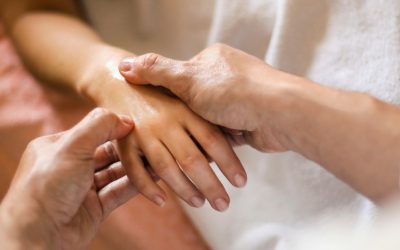
Acupuncture or Acupressure for Pain Relief during Labor
Check out today’s video all about acupuncture and acupressure for pain relief during labor! Find out what acupuncture and acupressure are and learn about their long history. Have studies found them to provide effective pain relief during labor?

Fetal Monitoring
Did you know there are different ways to monitor the baby’s heartbeat during labor and birth? Continuous electronic fetal monitoring (EFM) is common but not without its drawbacks. We discuss the pros and cons of EFM and its alternative, hands-on listening with a fetal Doppler or fetal stethoscope.

Aromatherapy during Labor for Pain Relief
Learn about aromatherapy during labor and how researchers think it might work to relieve pain. We’ll share the evidence from recent studies and whether they found aromatherapy to be effective at relieving pain and anxiety. We also discuss potential harms of aromatherapy and its effects on nursing staff.