



This episode is the first in our series of interviews we conducted live from the 2019 Evidence Based Birth Conference – Bringing the Evidence to Life. EBB Instructor and Professional Membership Coordinator Chanté Perryman interviewed several different panels of attendees, hearing from them the most pressing issues in their communities, and how they plan to affect change after being inspired at the conference.
This week, we will hear from nurses and doulas: doula Rebecca McKinney, doula Sara Pixton, and labor and delivery nurse Paula Richards. Listen as they highlight some of the challenges faced between the two professions, and how both can work together to support women in labor. After their brief interview, I talk about the research evidence on the challenges of doulas and nurses working together, and offer potential solutions for collaboration!
For more information and news about Evidence Based Birth®, visit www.ebbirth.com. Find us on Facebook, Instagram, and Pinterest. Ready to get involved? Check out our Professional membership (including scholarship options) and our Instructor program. Find an EBB Instructor here, and click here to learn more about the Evidence Based Birth® Childbirth Class.
RESOURCES:
- Facebook Group for Doulas and L & D Nurses working collaboratively together: here
- Goer & Romano (2013). Optimal Care in Childbirth. Classic Day Publishing.
- Morton & Clift. (2014). Birth Ambassadors. Texas: Praeclarus Press.
- Bohren, M. A., Hofmeyr, G. J., Sakala, C., et al. (2017). Continuous support for women during childbirth. Cochrane Database of Systematic Reviews, Issue 7. Art. No.: CD003766.
- Bohren, M. A., Berger, B. O., Munthe-Kaas, H., et al. (2019). Perceptions and experiences of labour companionship: a qualitative evidence synthesis. Cochrane Database of Systematic Reviews, Issue 3. Art. No.: CD012449.
- Roth, L. M., et al. (2016). “North American Nurses’ and Doulas’ Views of Each Other.”J Obstet Gynecol Neonatal Nurs 45(6):790-800.
- Veltman (2007). Disruptive behavior in obstetrics: a hidden threat to patient safety. Am J Obstet Gynecol 196(6): 587e1-4, discussion e4-5.
- Tumblin and Simkin. “Pregnant women’s perceptions of their nurses’ role during labor and delivery” (2001). Birth 28(1): 52-6
- Bowers. “Mothers’ experiences of labor support: exploration of qualitative research.” (2002). J Obstet Gynecol Neonatal Nurs 31(6): 742-52.
- McNiven et al. “Supporting women in labor: a work sampling study of the activities of labor and delivery nurses.” (1992). Birth 19(1): 3-8.
- Gagnon, Waghorn. “Supportive care by maternity nurses: a work sampling study in an intrapartum unit.” (1996). Birth 23 (1): 1-6.
- Gale et al. “Measuring nursing support during childbirth. (2001). Am J Matern Cild Nurs 26(5): 264-71
- Miltner. “More than support: nursing interventions provided to women in labor.” (2002). J Obstet Gynecol Neonatal Nurs 38(2): 753-61.
- Barnett. “A new way to measure nursing: Computer timing of nursing time and support of laboring patients.” (2008). Computers, Informatics, Nursing 26(4): 199-206.
Evidence Based Birth offers a fantastic cross-professional community in our Professional membership! Get more information here.
 Listening to this podcast is an Australian College of Midwives CPD Recognised Activity.


Stay empowered, read more :
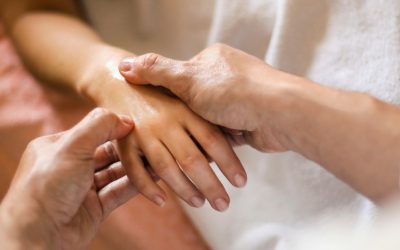
Acupuncture or Acupressure for Pain Relief during Labor
Check out today’s video all about acupuncture and acupressure for pain relief during labor! Find out what acupuncture and acupressure are and learn about their long history. Have studies found them to provide effective pain relief during labor?

Fetal Monitoring
Did you know there are different ways to monitor the baby’s heartbeat during labor and birth? Continuous electronic fetal monitoring (EFM) is common but not without its drawbacks. We discuss the pros and cons of EFM and its alternative, hands-on listening with a fetal Doppler or fetal stethoscope.

Aromatherapy during Labor for Pain Relief
Learn about aromatherapy during labor and how researchers think it might work to relieve pain. We’ll share the evidence from recent studies and whether they found aromatherapy to be effective at relieving pain and anxiety. We also discuss potential harms of aromatherapy and its effects on nursing staff.