

Lisa Marie Sanchez Oxenham has been a birth worker for over 25 years, serving the last 10 as a licensed midwife. She works full time with her husband, Richard, who is currently pursuing his CPM. They specialize in water birth and past trauma, and travel all over Southern California to provide in-home care. Together, they work to include the partner in birth – especially men, who are often mis-portrayed in birth environments in the media. Lisa and Richard support all birthing parties with comprehensive relationship building with a focus on trust. They find that utilizing both men and women in birth seems to really help men – which helps their birthing partners – and dispels the belief that brith belongs only to women. They also believe that water birth is particularly helpful for victims of rape and sexual abuse.
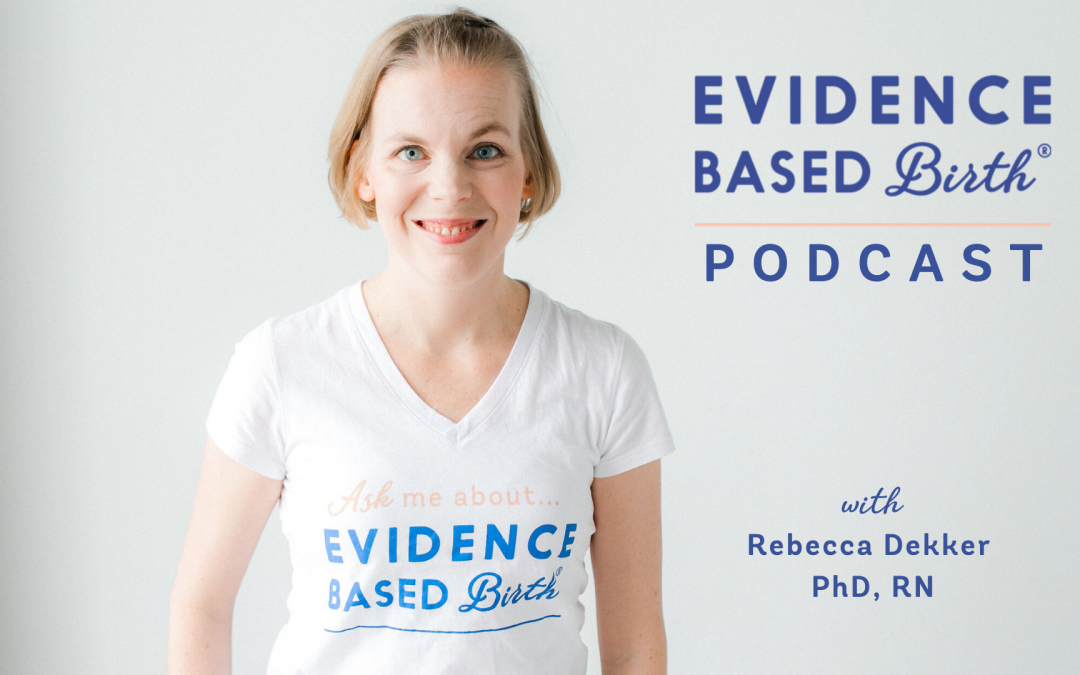
Listen in as we discuss Lisa’s journey and mission, as well as the evidence on misoprostol for induction and details about water birth.
Contact Lisa Marie on Instagram, Facebook, and at sacredjourneymidwifery.com.
For more information and news about Evidence Based Birth®, visit www.ebbirth.com. Find us on Facebook, Instagram, and Pinterest. Ready to get involved? Check out our Professional membership (including scholarship options) and our Instructor program.
 Listening to this podcast is an Australian College of Midwives CPD Recognised Activity.


Stay empowered, read more :

Racial Disparities in Childbirth
Racial Disparities in Childbirth In this video (an excerpt from an EBB continuing education class), you will learn why black women and babies in America are dying at higher rates in childbirth than white women. Learning Outcomes: Describe disparities in birth...

Evidence on: Doulas
A birth doula is a companion who supports a birthing person during labor and birth. What is the evidence for using a doula?

Evidence on: Erythromycin Eye Ointment for Newborns
Is the erythromycin eye ointment always necessary for babies? What are the risks and benefits of the antibiotic eye ointment?