

Neysha Reyes Cruz’s journey to becoming a birth doula was sparked by witnessing the inadequate support and resources during a friend’s hospital birth in Puerto Rico. Her personal experiences and those of her family have further fueled her commitment and passion for advocating on behalf of women, particularly within Hispanic and Latinx communities. Neysha recognizes the significant need for more bilingual doulas to ensure culturally competent care and clear communication for non-English speaking patients. In response, she is actively working to train and certify young Latina women as bilingual doulas in Kansas City, aiming to address this critical gap and improve maternal health outcomes.
Resources
- Learn more about Olas de Amor here, or follow them on Instagram here!
- Find resources from Nuture KC here.
- Get support from Parto En Casa here.
- Get support from Esperanza Birth here.
- Get the EBB pocket guide in Spanish here!
For more information about Evidence Based Birth and a crash course on evidence based care, visit www.ebbirth.com. Follow us on Instagram, YouTube, and TikTok! Ready to learn more? Grab an EBB Podcast Listening Guide or read Dr. Dekker’s book, “Babies Are Not Pizzas: They’re Born, Not Delivered!” If you want to get involved at EBB, join our Professional membership (scholarship options available) and get on the wait list for our EBB Instructor program. Find an EBB Instructor here, and click here to learn more about the EBB Childbirth Class.
Transcript (English)
Dr. Rebecca Dekker – 00:00:00:
Hi, everyone. On today’s podcast, we’re going to talk about the importance of bilingual doulas with Neysha Reyes-Cruz. Welcome to the Evidence Based Birth® Podcast. My name is Rebecca Dekker, and I’m a nurse with my PhD and the founder of Evidence Based Birth®. Join me each week as we work together to get evidence-based information into the hands of families and professionals around the world. As a reminder, this information is not medical advice. See ebbirth.com/disclaimer for more details. Hi everyone, and welcome to today’s episode of the Evidence Based Birth Podcast. Today we have with us Neysha Reyes Cruz. Neysha is the bilingual birth doula speaking English and Spanish from Puerto Rico, currently working in the Kansas City, Missouri area. Neysha serves primarily the Hispanic community through prenatals, childbirth education, birth, postpartum, and very soon placenta encapsulation services. Neysha is the owner of Olas de Amor KC LLC since 2023. Her LLC is subcontracted through the Samuel U. Rogers Clinics and Nurture KC. Neysha has been an advocate and interpreter to mothers through the entire birthing process so that they’re able to make informed decisions at the time of inductions, cesareans, or when providers are recommending interventions. Although Neysha works at any birthplace, her primary birth site is in hospitals. She loves advocating for women who think they don’t have a voice so that their wishes and rights can be heard. Neysha also recently opened her first track of a bilingual doula school due to the lack of backup support for her and being too busy to meet the demands that are needed in her city. Neysha continues to expand her business for the benefit and care of the Latina and Black/African American moms. She takes private clients and referrals through Samuel U. Rogers and Nurture KC, where mothers don’t have to pay for services, but rather the organizations pay for her work. She completed her credentialing process with the Doula Network to be paid through Medicaide in the state of Missouri and also Kansas.
We are so excited. Neysha, welcome. And bienvenida to the Evidence Based Birth® podcast.
Neysha Reyes Cruz – 00:02:29:
Hi welcome, Well thank you for having me over here. Its a pleasure.
Dr. Rebecca Dekker – 00:02:29:
It was so nice to meet you when I was in Kansas City and you were explaining, you know, the work that you do and the really dire need for more bilingual doulas. So I’m so excited that you’re on the podcast for Hispanic Heritage Month to talk about the importance of your work. And I was wondering if you could start off by sharing with our listeners a little bit about your journey to becoming a birth doula and a bilingual birth doula and what inspired you to pursue this path.
Neysha Reyes Cruz – 00:02:58:
Yeah. So it goes many years ago, I actually was present in a good friend birth at Puerto Rico. And it was a hospital birth. She did not have the chance to have her family supporting her. She did not have a doula. And I actually came to that birth with her. And it was the very first time that I was, you know, live on a birth at the hospital. And at that place, while she was about to have baby, the nurses were coming around and just… Asking her to sign consents and papers. And I thought that was off because there’s no way that you could be signing papers and logically thinking about you know, doing things that are related to your health and decisions, informed choices that you need to do. While, about to have a baby. And so, yeah, for me, that was not a very comfortable situation. And a few years later, my sister-in-law had kids. And in each of those births, it was a home birth experience. And so for me, just it was an impact to see how she was surrounded by a doula, by midwives. She also had an OB there. She had us there. I even was part of one of her birth and she wanted me inside of the birthing pool. And so experiencing that difference between having a support and how relaxed she was through the process compared to being at the hospital without that support was kind of like very, like it made a huge difference in my eyes. And so I always desire and wish for having like a home birth experience just based on that.
And yeah, many years ago, four years ago exactly, I had my first daughter, but it was COVID time. It was 2020. And so my family was not present. Nurses and nurse practitioners were all covered. I couldn’t have my doula to be able to just go around in the way she could do it for me. And after a very long birth, I ended up being transferred to a hospital here in Kansas City. And needing an epidural for my body to be able to continue a vaginal birth because of exhaustion and emotional disconnection. From there on, I had a very bad postpartum journey, and I found a lot of great resources here in Kansas City for mental health postpartum. And then a few years after that, just like two and a half years after that, I had my boy. He was a high-risk pregnancy. I thought I will not have the birth I wanted again, but this time I decided I wanted to educate myself, research, look for just everything I needed to have a successful birth and vaginal birth, and I wanted very minimal interventions or none if possible. We ended up needing to go to Puerto Rico due to my mother-in-law having cancer on stage four. And so my maternal and fetal specialist, Shilpa Babar, who we actually met at the conference, she actually gave me the green light. She was like, your baby has been healthy. You’ve been healthy. Go. Go and take care of her and come back if you can.
And I ended up having a home birth. It was no interventions. I found a midwife there that could take care of me. Her name is Yarilís García from Parto En Casa. And it was so empowering, so empowering in many ways. Not the fact that it was a home birth or a hospital birth, right? But mainly the part that I knew I was in control of my body, that I had education, that I took my time to do exercises through my pregnancy and have good nutrition and so on. And yeah, after when we came back to Kansas City, I got this opportunity to get trained as a certified doula. And my husband was very supportive about it. And I was still nursing my baby. And it took me about three months to get trained. And I actually got to meet a great mentor. Her name is Elisabeth Anzalo from Esperanza Birth. Here in Kansas City, she’s also a bilingual doula here. And she just grabbed me under her wings. And she was like, I’ll teach you. I’ll mentor you all the way through. And through her, I got connected to NurtureKC. I started doing my first birth with her. And so on, she is now continuing her studies as a midwife here. But I continue the journey to give support. For Hispanic, Latinas, Black, African-American, and private clients as well. And it’s been a super empowering journey.
Dr. Rebecca Dekker – 00:07:59:
It’s so incredible to hear about all the worlds colliding, you know, because the midwives in Puerto Rico, you know, that is not an easy career for them. They face so many obstacles, which we talked about in episode 283. And I just love that you were able to go and have that experience with them. Can you talk a little bit about how your midwife in Puerto Rico, how she impacted you?
Neysha Reyes Cruz – 00:08:25:
Yeah, I actually met her when she was a doula in one of my sister-in-law’s birth. I’ll say more than 12 years ago. And Yadilys has always had a passion for the mothers and for the birthing community in Puerto Rico and she has really pursued wholeheartedly just to get education, certifications, everything related to breech babies, having twins. A lot of things, you know, that maybe the government or system might be like, we don’t feel comfortable about that. But through the years, she has really… been able to present the community there, hey, it is possible to have a birth that you long for, a birth that is safe, with someone that you feel safe, comfortable, that can listen to you, your needs in an environment that you’re surrounded by your family. And she has a clinic now there in Puerto Rico, and she works with another doula who’s also a nurse. Her name is Elise. And she works with placenta encapsulation. And they’re both working so good in the island just to advocate for the birthing community there. And so she’s very inspiring to me. They both. And I am super grateful to the experience that I got as a mom through that time of my birthing time with little Caleb.
Dr. Rebecca Dekker – 00:09:58:
Mm-hmm. Yeah. And for those of you who don’t know, the cesarean rate in Puerto Rico is around 50%. So, you know, the fact that you were able to have a smooth uncomplicated birth with your son is a lot to do with the midwife there who supported you.
Neysha Reyes Cruz – 00:10:14:
Yeah, definitely.
Dr. Rebecca Dekker – 00:10:16:
And then switching back to Kansas City, as you mentioned, there are a lot of great resources there that I got to witness firsthand when I was there for Dr. Shilpa Babar’s conference, her IOB care conference, which hopefully she’ll do again next year. And she was your OB and she hosted that conference, which is, it’s just such a cool connection. As you’ve, you know, worked as a doula in Kansas City, there are a lot of resources. But what are the challenges or unique challenges that Spanish-speaking birthing families are facing in your community?
Neysha Reyes Cruz – 00:10:51:
Yeah, I would say that definitely their voice are not very heard, but it’s also because of the lack of the language barrier and then the cultural barrier. Because it’s not the same to have someone working along with you in the journey to meet your goal as a birthing person that does not share that language or culture or that background. Many clients have complained that their appointments are very quick. That the providers don’t take their time to listen to what, you know, their questions, their doubts. And so I find myself many times as a doula answering questions that I know it’s not my responsibility as a doula, that that might be something for a provider, for a social worker, a lawyer, you know, but I end up just doing all these different tasks. And I do it because I know they need it. Also, like other thing that happens a lot in the clinics is the part of just boxing them in a general box of like labeling them with, yeah, your baby’s too small or you’re not developing well. A lot of them just kind of put them for inductions that are not medically necessary.
And they come back to me like, hey, the doctor told me I have to be induced because I’m already 39 weeks. And I’m like, that’s not a medical reason to be induced. There’s specific things, right, to be induced for preeclampsia or gestational diabetes or. We have macrosomia or like different other things related to medical health, but not necessarily because you’re already 39 weeks, but you can go all the way to 41 weeks and maybe a little bit more. So maybe I feel more comfortable with that. I had an experience with one doctor specifically where I came to an appointment with my client. And the reason why I came is because she was complaining that her OB was not listening to her. Every time that she would show up, he would ask her, so when are we programming your C-section? Can I check your cervix? And this started when she was 37 weeks of gestation. Too early to be checking on her cervix. And why are you thinking about C-section with a mom that is completely healthy without complications? And so she wasn’t comfortable. She asked me to come to the appointment with her husband and herself. And I did. One of the things she was complaining was that every time she would go into the office, he would also say, baby’s too small. And so we might need to induce you or do a C-section. So she actually had programmed an ultrasound that morning. We went to the ultrasound. The sonography said everything looks perfect. Your baby’s gaining weight, good size, all of that.
And then we come right after that, we come into the doctor’s office. And as soon as he walks in, he says, so when are we scheduling your C-section? And she’s like, doctor, I already said we’re not doing a C-section. I’m healthy and I want a vaginal spontaneous birth. And he says, so can we check your cervix today? She’s like, I don’t want that. I don’t feel comfortable with that. And so he started going on with this story of studies related to there’s no benefit to carry a baby after 39 weeks. And I interrupted him with much respect, but I say, doctor, I have a question, but from where is your study? And he said, it’s from Colorado many years ago in the 90s. And I was like, so I will actually like for you to look at your patient. She’s Hispanic. She’s not Caucasian. She does not live or was born in Colorado. She’s from Honduras and if you see her genetical, you know, and her body and her husband, you will find that they’re very small people. It does not fit in your study. You need to go and look in context studies from her country. Have you found studies related to her country to come with that kind of evidence? And he said, I have not. And so I say, then we don’t have any reason to be putting her in that box. And he said, she doesn’t have to get the induction if she doesn’t want. She doesn’t need to get the C-section if she doesn’t want. She doesn’t need to have her cervix checked today if she does not want. And he walked out.
Dr. Rebecca Dekker – 00:15:32:
He said that or you said that?
Neysha Reyes Cruz – 00:15:34:
He said that.
Dr. Rebecca Dekker – 00:15:36:
And then he just left.
Neysha Reyes Cruz – 00:15:37:
And then he left. And in the next door, I had another doula with another patient that was also Hispanic. And he came in very upset. And he introduced himself with the same questions. And so I find it very interesting how and he never came to the birth, you know? So, like, I find very interesting. And very evident, you know, and for my clients as well. That they do not take the time to research or go…you know, with whatever’s beneficial for the patient.
Dr. Rebecca Dekker – 00:16:17:
It’s just what’s more convenient for them.
Neysha Reyes Cruz – 00:16:20:
Yeah. And so it’s very upsetting, to be honest. It is one of the things that we face the most here. I think the reason why I’m so happy to work with Samuel U. Rogers Clinic now and the nonprofit of Nurture KC is because little by little, they are creating, you know, a space of let’s be aware that we work with diversity here of different countries, cultures, languages, and for these people to feel comfortable, safe, and have their needs met, we need to work with them. Not on our favor. And so yeah, it’s a lot. We face a lot of things, but little by little, I think we’re getting there little by little.
Dr. Rebecca Dekker – 00:17:14:
You know, the work you do is so important. I can imagine it’s really hard to time after time witness scenarios like that, which. You know, to me is a form of obstetric violence to, you know, assert their opinion so strongly and not listen to the mother and not care about her as an individual. And. I’m curious. It sounds like there’s several things going on. It sounds like there’s just the typical American obstetric way of practicing, which, as we know, leans heavily towards interventions and a cultural and knowledge gap of their clients. There’s the language barrier that you talked about and there’s discrimination.
Neysha Reyes Cruz – 00:17:57:
Yes.
Dr. Rebecca Dekker – 00:17:58:
With the language barrier, you know, that’s how I feel like you’re acting almost like as a buffer to protect your client from. These kinds of scenarios, but you’re also helping with the language. Like, how do you see with your clients who are primarily Spanish speaking? Maybe they speak English, but it’s not super fluent or they’re still in the process of learning. Are they offered interpreters at their prenatal visits? How does that work?
Neysha Reyes Cruz – 00:18:26:
Yes. So at Samuel U Rogers clinic, they do. They have an interpreter in person that comes with them to those appointments. So they’re like in the clinic. They work at the clinic.
Dr. Rebecca Dekker – 00:18:39:
But like in a typical OB office.
Neysha Reyes Cruz – 00:18:41:
Yeah. So that does not happen. If you have, even at the hospital, you know, or a typical OB, they might not have an interpreter that is in person. And it’s very rare to find a private clinic or OB office where they have like a translator and an interpreter system. That you can call and be like, hey, I have a patient that is a Spanish speaker and I need someone that can translate or interpret while we…
Dr. Rebecca Dekker – 00:19:11:
So they don’t even have the phone system that you can call in and get…
Neysha Reyes Cruz – 00:19:14:
There’s a lot of offices here of OBs that do not, that do not. Yeah. And at the hospital, you know, we have the situation of just having… only interpreters, often through the day, but not through the night. And so that’s another thing. A lot of the moms go on labor through the night and we don’t have a lactation consultant that might speak Spanish. And we don’t have an interpreter through the night sometimes. And so I find myself having to go to triage and start a process, maybe not in active labor with the patient, but even earlier and having to leave that birth while she’s already in recovery room but I’m doing my doula work while also interpreting. I have been in births, Rebecca, where there’s Mom’s trying to have a conversation in the phone with an interpreter and having the doctor doing a cervical check. And I’m standing there and I’m telling the doctor, I can interpret. She trusts me. I’m a safe person for her. And you’re having an interpreter in the phone right now. Will you be okay if I interpret if she signs that consent? And I have to advocate for that so that the mom gets an interpreter right there that she trusts, that it’s a safe person that she feels comfortable with, and that there’s not a lack and misunderstanding between that conversation. Because I have been in many, many of those experiences where the provider is communicating something and the interpreter might not be listening well and interprets a very different thing. And, you know, there’s a part of, I’m an advocate for the Black or African American community as well, and all these issues of… discrimination, you know, that it’s real. And at the same time, I have to say. They have something that the Hispanic doesn’t have, and it’s language. It is sad, you know, to see mothers that do not understand English at all, to not be able to say, I’m in pain. I’m uncomfortable. I don’t feel safe with your touch. Please do not touch me. You know, and it’s like basic things, but those basic things can cause an experience of trauma through the birth, you know.
Dr. Rebecca Dekker – 00:22:02:
To being touched when they don’t want to be touched and they can’t necessarily communicate.
Neysha Reyes Cruz – 00:22:07:
Right. And so. Yeah, and so that’s one of the reasons why I feel, you know, that having the work as a doula at the hospital, it’s crucial. It’s crucial for the Hispanic community because… like you don’t get often doulas at the hospital. There’s a lot of pressure, definitely. You know, I have had situations with providers where I have to step in and say, you’re not going to go against the patient. I’m stepping in the gap and you’re not going to come against me either. We’re here as professionals. We are here working as a team to make this experience for this mom to be a good one. But it is not about you and me. It’s about her. So. You know, being in that pressure, Rebecca, can be so hard many times. And you feel like, I just want to hang my, you know. My boxing gloves kind of thing. But then I remember why I’m doing the work I do and that there’s not many doulas that are bilingual and that can have the strength or the courage to be at a hospital under that pressure. And so I go back because I just feel the passion for that, to advocate for them.
Dr. Rebecca Dekker – 00:23:21:
Yeah. And for those of you listening, if you haven’t listened yet, I encourage you go back to last week’s episode, the one right before this one, where we talk about Latina advocacy and fighting the maternal mortality epidemic in California with Kimberly Turbin and Michelle Monserrat Ramos. But, you know, going back to what you were saying about doulas. Can you explain for our listeners, you know, you’re talking about this balance of interpreting and providing doula support. It seems like such a difficult role because not only are you providing the emotional support, the physical hands-on support, massage, positioning, giving ice chips or water, fluids and food and water therapy, and then information, but you’re also kind of serving as this bridge to interpret. So talk to us about that role. Like, how did you learn to do that? Are there principles that you follow so that you don’t like overstep some kind of boundary? Are there boundaries? Just tell us all about being a bilingual doula.
Neysha Reyes Cruz – 00:24:23:
Yeah. So I actually have not finished a certification as an interpreter, but I’m working on that because I want to be like, hey, I have a license that I can definitely interpret. And so it’s been mainly that I grew up like in Puerto Rico. We are bilingual. We, you know. Since you’re in kindergarten, you learn English and you also learn Spanish. And Puerto Rico is a U.S. Territory. So like we have to grow into knowing the language. But it has really, you know, been a great tool at the time of birthing. And the way that I protect my way with my liability at the same time. Is you know, whenever a provider is specifically trying to communicate something with the patient, I don’t change nothing. I interpret exactly what the provider is saying. And whenever the client is communicating something to the provider, I do the same thing. I stick to it.
Dr. Rebecca Dekker – 00:25:26:
You don’t add your own thoughts?
Neysha Reyes Cruz – 00:25:29:
I do not. I stick to it as an interpreter. I do, though, take my time whenever the provider or the client has communicated, you know, whichever kind of conversation. If the provider is asking a specific question to the client where they say, so will you be okay if we rupture your membranes? And I look at the patient and she’s like looking at me like. I don’t know what to do, you know, that kind of look. I always teach them in my classes, never ask me in front of them. Wait a second, ask them for a few minutes to think about it. And then once they exit the room, We can have a conversation if you feel like. But let’s not do it in front of them because they will think that I’m imposing something or I’m choosing something for you. And this is not about me choosing something for my personality, like for what I want. It’s about your birth experience and having informed decisions. If you have questions for the provider. Directly where you’re like, okay, cool, you bring me evidence about what are the risks and what are the benefits and the provider can give it to you right there. Great. But if your provider, it’s like, actually, like, I don’t feel comfortable doing that right now. Or let me just find a paper for you or something. Then let’s do that, you know.
Dr. Rebecca Dekker – 00:26:51:
So you don’t have like side conversations in Spanish in front of the OBs. The OBs can’t say you were interfering with, you know, my ability to provide care.
Neysha Reyes Cruz – 00:27:01:
That’s right. That’s the way I actually protect myself from not being kicked out from the hospital. And I think that’s one of the reasons why a lot of doulas get in trouble in the hospital field. And it’s because they try to bring their mindset or whatever is their opinion into the birthing moment. You know, whenever the mom is trying to make decisions, they want to kind of like give them the best recommendation. But sometimes you have to take your moment and be like, is this really, like, really the appropriate time to make my recommendation or suggestion or should I just wait for them to go out and have a more comfortable conversation? Because many of the providers that come to these births for the Hispanic moms are not their OBs. They are the on-calls providers.
Dr. Rebecca Dekker – 00:27:59:
And they have no relationship with them.
Neysha Reyes Cruz – 00:28:02:
They don’t have any relationship. They just feel like, who’s this person who’s going to come touch my body, who’s going to come and tell me that something is wrong, or that’s going to tell me that I need another kind of induction or medical intervention. And so they are already, you know, kind of like, who are you, aware of danger, aware of like what’s going to happen. They get anxious. Their blood pressure increases a lot when the providers come in the room a lot. And so whenever they’re able to go out of the room, that’s when I take my time with the client and be like, what do you want? You know. Providers offering you this kind of intervention. Do you feel comfortable with that intervention or would you rather wait? Would you rather do it differently? Do you want to ask the brain acronym to that provider? You know, and so I give them options, but I always teach them through my childbirth classes, I am never gonna make a decision for you because this is your birth. It’s your experience. And also because for liability, you don’t want to, you know, tell a mom, oh yeah, let them break your water. And then suddenly she gets an infection or anything like that, or a fever, and then she’s rushed to the C-section because you put worry into, you should do this, you know? And so it’s always the side of the patient to choose in that specific way, but you can guide them through it while interpreting without adding things that are not necessary at that moment, but be smart into doing it when it’s a good moment to do it, basically.
Dr. Rebecca Dekker – 00:29:45:
You mentioned when you were telling the story earlier that you had your client sign a consent form. Is that because you’re not certified as an interpreter yet? Is that a standard form hospitals have?
Neysha Reyes Cruz – 00:29:55:
Yeah, so there is a consent. I will say pretty much all the hospitals that I come to here in Kansas City ask me, require me to do that if my client wants me as the interpreter. But even for that moment to be done, they need an interpreter in the phone, if they don’t have an in-person one. That can come and ask the nurse directly, you know, and interpreting that in that sense. You know, the nurse communicates like, are you comfortable with your doula interpreting for you through the rest of the birth? And so interpreter does it for, you know.
Dr. Rebecca Dekker – 00:30:33:
The interpreter gets the consent.
Neysha Reyes Cruz – 00:30:35:
Yes. And so in that sense, the client basically signs the consent in that case, and then I’m allowed to interpret the rest of the birthing process. Um, It hasn’t been in all of them, but the majority of hospitals do require me that. It’s not necessarily because I don’t have my license as an interpreter. It’s mainly because I don’t work for the hospital.
Dr. Rebecca Dekker – 00:31:01:
Okay. So if you don’t work for the hospital and you’re interpreting in any language, they’ll probably ask you to do that if you’re interpreting at a birth or your client wants you to. And I really want to know, you’ve talked about creating a school or a training or mentorship for bilingual doulas. Can you talk about what kinds of skills are you teaching? Because I imagine it’s more than just knowing the language. So what will doulas learn from you?
Neysha Reyes Cruz – 00:31:33:
So I actually, this first tract that we had, I had six students. One of them was virtually at California. She’s already a postpartum doula there, and she’s also a Lactation Consultant with WIC. So she just wanted kind of like have a little bit more of training into the birthing doula world in that sense. But then the other five, you know, participants of the program, basically, they’re all bilinguals except one who’s Black/African American, and her only language is English. And so… to be able to custom the program for everyone that was attending, I did the classes in English because my Spanish speakers could understand perfectly English as well. And so I wanted her to feel… included in it. But I do have a curriculum in Spanish as well. And so, you know, we talk topics related to mechanics of birth and stages of labor, anatomy of the reproductive system. We talk about childbirth positionings, comfort measures, everything related to how a partner can support.
You know, the birthing mom and also how a doula comes in there and guides the partner and at the same time, you know, does confirmations for the mother. I talk about self-care as a doula because it’s super important and many of us get a lot of lack in that area when we are not aware of. Wait, hold on, like I’m also a human being and I need a break for each bathroom break, take water if I’m in pain, needing a backup doula. We talk about postpartum care, not only the part of recovery and healing for a C-section or vaginal birth, but also the part of mental health. Because I myself struggle so much with postpartum depression in my first postpartum experience, I’m an advocate for mental health in perinatal and postpartum. And so I like to teach these doulas how to scan using EPDS scans test, how to see and manage the part of when we come to those homes to give postpartum care. We don’t want to just only come and be like, hey, like I’m here. How are you doing? You know, like a very open and general questions, but be like, hey mama, I’m here now. Roll my sleeves kind of thing, you know? And be like, have you eat today? Close questions. Have you taken a shower today? Have you taken a nap? No? Then I will take care of your baby and your home. You go do self-care.
And so it’s super important for me to teach the doulas awareness in that sense because we’re working with a human being, not with an object that you check in, check out, and that’s all I did my hours. Like we’re talking about emotions, trauma, good experience or bad experience. It’s a lot going on. And so I want to be an encourager for those mothers that are at home staying with babies, you know. We teach things related to breastfeeding, breast pumping, chest feeding because we have moms that are not able to give, you know, human milk, but we have other ways that we can actually provide that connection with baby. We do themes related, topics related to medical interventions. And with medical interventions, it’s actually one of the topics that I’m, I will say I’m more aggressive with my clients in the sense of letting them know there are options and you can always choose to go with them or not go with them. But I want you to know the benefits and the risks of them.
And so I incorporate a lot of your evidence-based birth, you know, research and your books and all of that. I just bring them there. And I leave my mom with little pamphlets that has been translated also. Samuel U. Rogers, we have a wonderful staff member there. Her name is Ashley. And she actually took the time to translate one of your pamphlets in Spanish for our clients to be able just to have it accessible, very kind of like brief and be like, hey, this is actually something that we want you to know and be aware. Yeah, there’s a lot of topics that we do. And then I think something that I really like about these tracks that we’re doing is that we’re not only trying to educate and, you know, bring people for two months or so to have this training, but I like the part and I really enjoy the part of mentorship. Because I think, you know, there’s a lot of programs that are virtual and online. But very few that train you in person and actually guide you and mentor you in person. And takes you to prenatals and takes you to postpartum and takes you to a birth. And it shows you and it explains you right there what’s happening so that you can witness it while you’re shadowing. And so that’s something that I’m allowed to do. Obviously, you know, the moms sign a consent for it. I don’t do it like, yeah, I’m bringing my students that’s all. So but, you know, the clinics know about it and the mothers also know about it.
And whenever we do prenatals, I ask them, will you be OK? One of my interns can come and be with us in this prenatal care if we need a backup you know she might be a person that might be in your birth so I want you to meet all the team so it is a familiar face and it’s not a stranger showing up at the time of your birth and so we have a support group also so the doulas come in there also and they bring recommendations for the mothers in the WhatsApp group it’s it’s kind of like the app that the hispanic community mainly uses and it’s just great i’ve had a lot of people reaching out recently for like when are you going to open a next track and so i’m trying to see where in my schedule there’s a good space to start a new track but i’m excited I think it has really brought awareness that there’s definitely definitely a need you know there’s a demand and a need in Kansas City for bilingual doulas that are willing to step in the gap and advocate for them at the time of birth, home birth, hospital birth, you know, birthing center, which we had one and it’s closing now.
And so, yeah, it’s definitely something that I’m excited just to bring that. I’ve been contemplating with a few other ladies the part of starting a program to train and certify young ladies that are about to finish high school and that are Latina and bilingual so that if there’s fundings and, you know, through academies or any other kind of funding, you know, it’s not only a job, but it’s also the part of you get to be someone in your family and your community that could advocate for young women. And having a baby or not doesn’t mean that you cannot be a doula. You know? There’s the part of education and certification being mentored, and when you have good mentors that are willing to run that race with you, you can go very far. So yeah.
Dr. Rebecca Dekker – 00:39:31:
Well, Neysha, thank you so much for sharing how you’ve put your vision into practice. And I love how you were in this dilemma where you’re like, my clients need me. There’s only one of me and there’s such a need. And so you just started growing your own backup team, which is amazing.
Neysha Reyes Cruz – 00:39:51:
I was working 36 hours. You know, Rebecca, there was, I will never forget, there was this birth. It was two parents a family that was partially deaf. And they had a hospital birth. And I actually took the time through prenatals to learn medical terms for them in Hispanic sign language. I never thought I would do that. But I did it. I wanted them to understand the process and have, you know, part into making decisions. And it was so exhausting because I didn’t only work as a doula. But once the hospital find out that even their system could not interpret for Hispanic Sign Language, and they saw that I was able to communicate well with the family and that they could understand what the provider was saying through my sign language, they were like, okay, Neysha, even if you go home, if the provider comes in here, we might call you. And while I was resting at home, they would call me and be like, could you interpret this for the mother?
And I was in awe, thinking, how is it that? A big system cannot afford or think that this is something needed for the patients. That long after she was postpartum, she was not even like showered. Her baby was crying. She couldn’t hear the cry of the baby. And when I came in for that postpartum time, I was like, what happened here? Like, why haven’t you showered. No one has helped you out for this. Here, I’ll come help you. And the baby was just continually crying. And I asked her, have you been able to feed baby through the night? She was like, I think, but I’m not sure. I asked for a lactation consenting. And when she came in, she said, well, the mom said she nursed her. And I said, did you watch the latch? Did you took the time to see if she was, you know, being well fed, if she was working it well? And she said, no, I did not. And I told her, I want you to come in and take your time and watch the latch because I believe this baby has a very bad tongue tie. And I’m not a Lactation Consultant, and I’m not specialist into tongue ties or nothing, but I believe there’s an issue. So could you take your pediatrician and yourself, and can you come in and check on baby? Effectively, baby had a severe tongue tie. The cry of the baby was because, because she was hungry, like extremely hungry. And no one took the time to check on this baby and the mom nursing. And, you know, after that I was able to interpret for the mom so that the baby could get a laser surgery and once after like just an hour that baby was perfectly latching to mom, but it took an advocate, you know, advocacy kind of step to get there. Um,
Dr. Rebecca Dekker – 00:43:07:
And someone who is willing to take care of the baby. And someone who is willing to. Like you said, work in a different language, even though it wasn’t your, you know, you weren’t really familiar with it. You made the attempt to learn what you could.
Neysha Reyes Cruz – 00:43:20:
Yes. Yeah. Yes. So I think that has been my most extreme case into communication where I was very challenged personally. But that also motivated me into like, I should even, you know, learn Hispanic sign language because even every Latin America. Like country has their own sign language, like Colombia’s and Argentina’s. Each of them have a different kind of signing.
Dr. Rebecca Dekker – 00:43:49:
Wow.
Neysha Reyes Cruz – 00:43:49:
But I think it’s, it all comes into the part of in here, they just box it. Like, yeah, like it’s the same kind of sign language in the entire world, or maybe like, you know, United States and also Latin America. It’s like, no, it’s actually not. No. So it’s like take your time to learn it or have someone that can do it. So, yeah.
Dr. Rebecca Dekker – 00:44:12:
That is so interesting. Thank you so much for educating us about the different types of sign language and how that’s a need for bilingual birth care as well. Um, What advice do you have for… for doulas or birth workers or healthcare workers who want to provide better support to the Hispanic or Latina community? You know, maybe they’re not bilingual themselves or they speak a little bit of Spanish. You know, what advice do you have for us?
Neysha Reyes Cruz – 00:44:43:
Yeah, I will say definitely. Not only try to learn the language, but if you do not know the language, try to find a good system where you can have an in-person interpreter, which… tends to be more warm for the patient. Than just someone in the phone with a male voice. Or, you know, like if you have a mother who feels more comfortable with women, then allow her to have that safe space. Or whoever, you know, whoever is coming into the office, allow them to have someone they feel comfortable having a vulnerable and private and confidential conversation to have it in person instead of phone. And if that’s something that you cannot do or your clinic can’t do, then definitely, you know, offer the service of, hey, if you need, you know, an interpreter, we’ll get it for you. Have forms, papers, consents that are in Spanish as well, or any other language. I feel like, you know, whenever they come to hospitals, there’s so many papers they have to sign. And it takes so long of the process of labor and birth to just translate and interpret for those clients. And I feel that if they provided with anticipation those documents. In Spanish, like they could take their time at home to read it with calm, with their time, and be able to already be thinking, is this something I want or not? Or am I just signing this paper at the hospital right now because I’m in a rush and I’m in pain and I’m uncomfortable? And so, you know, even providing documentation that it’s important beforehand for them to be able to read it ahead of time will be a great thing to do.
Also, I’ll say, you know, I always love when there’s a specific, you know, a provider that goes to Latin America. And it’s like, you know, I’m going to do kind of like an exploration kind of trip where I’m going to go and serve for a week or two, just to experience the culture, the language, to see how it looks to give birth in this country and see if I can integrate that in the clinic. And so I so appreciate. And Robbie Harriford at Samuel U Rogers Clinic, because she has taken time off to go to Guatemala. To just go around the cultural part of birthing. What does it look to be giving birth as a midwife there? And like, what’s a doula there? Like, how does that look? And the language and all of that. And she’s a person who actually advocated for the clinic to bring this grant so that it could be open for all these communities here in Kansas City. Not only Hispanic, but also Black, African American, Muslim communities, just you name it. You know, anyone that needs doula services there and they have prenatal care at the clinic, they could have it in their language. And just meeting their needs right there. And so, yeah, like just have people that can speak the language, take the time and go and serve in a community like Latin America. Learn, don’t just come with your medical background to kind of impose it or put it there. But be intentional into sitting.
Dr. Rebecca Dekker – 00:48:18:
Be taught by them. It’s a learning trip for you.
Neysha Reyes Cruz – 00:48:21:
Yes, definitely. I would love it if many more providers could do that for sure.
Dr. Rebecca Dekker – 00:48:28:
That is really true. I think there’s, you know, this… debate and it’s controversial about the whole aspect of, you know, the white saviorhood of going to do service trips. But if, instead, like you said, it’s almost like a learning exchange that is really can be really beneficial. Yes. I have a quick question before we go. What about technical tools? Because I have found that Google Translate can be really helpful with any language barrier or Apple Translate. Apple has an option that I think to get more resources you have to pay. For example, if you’re in an area where you don’t have access to wireless internet, I think Apple has an option to download the language. But have you used any of those tools with phones or tablets to try and translate documents or anything like that?
Neysha Reyes Cruz – 00:49:26:
Not really. My English and Spanish is pretty good, I consider.
Dr. Rebecca Dekker – 00:49:30:
It’s so good that you don’t need it.
Neysha Reyes Cruz – 00:49:32:
Yeah. At least for Spanish speakers, interpreting or translating for them. But I’ll say, you know, like Google, it’s always a good option or any of those. But definitely having someone that can correct some of that grammar or language or put some things in a different way makes a difference also because Spanish has a lot of varieties into how we talk about specific concepts or, you know, how we call a cake in different countries. Like some people like in my country, we might call it bizcocho. In some other countries, they say torta. In others, they say pastel. In our countries, it might mean a specific word, but for Mexico, I might not be able to say some of others. It might have a different context. And so I feel like not only having something that is translated into like Spanish that is from Spain, but actually looking for something that is adequately like matching the client’s country. Could help also in the part of how to say a specific word or so. There’s a lot of people that have asked me, does Duolingo, you know, does it for you? I’m like, I don’t think it’s the best kind of thing. Yeah. But it’s something, you know.
Dr. Rebecca Dekker – 00:51:00:
It’s something.
Neysha Reyes Cruz – 00:51:02:
Yeah.
Dr. Rebecca Dekker – 00:51:03:
And so you’ll learn how to say, like, the penguin is hungry.
Neysha Reyes Cruz – 00:51:07:
Yeah. That’s right. That’s right. But even like, you know, taking your time to take a basic Spanish class and like, I feel like it’s not as hard to actually be intentional into instead of just having a whole vocabulary of words, even learning specific medical terms in Spanish will make a huge difference. Like, instead of, you know, just saying oxytocin, could you just say oxytocina? You know, instead of saying breastfeeding, could you say amamantar, lactar? In Puerto Rico we Darla Teta. And so, you know, just learning specific medical terms could make a huge difference when you’re there. And I love when I find nurses in the room that they’re actually making their best effort to say a word in Spanish. And they’re like, ¿Tú necesitas algo? I don’t know if I say it right, but maybe. And I was like, yes, you can say it this way. And so even teaching each other, well, the process of labor and birth can be something pretty neat. But I appreciate when there’s providers or medical staff that takes the time to try to match that.
Dr. Rebecca Dekker – 00:52:29:
Yeah, even learning little phrases you can ask to see if someone’s comfortable. Like you said, do you need anything?
Neysha Reyes Cruz – 00:52:37:
Yes, basically because if you’re a labor and delivery nurse, you’re using the same kind of terminology all the time that you’re working. So if you do it repeatedly, you can actually get to understand and know and pronunciate it better. So it just takes time, but it starts with wanting it, being intentional into it. And I could say that definitely having a nurse that only speaks English with the difference of a nurse that tries a little bit of Spanish already makes the client feel like…
Dr. Rebecca Dekker – 00:53:16:
Safer.
Neysha Reyes Cruz – 00:53:16:
Yes.
Dr. Rebecca Dekker – 00:53:17:
Yeah. Like you respect me and you care about me.
Neysha Reyes Cruz – 00:53:20:
Yes. Because they see you’re different. You don’t speak the same language. And they’re trying to get there to that place of like, I actually care about you. It shows you care.
Dr. Rebecca Dekker – 00:53:32:
Right. I always think of it as like, even if you can’t speak it fluently, the fact that you are trying and you’re learning shows that you’re welcoming to all members of your community, not just the ones who speak your primary language.
Neysha Reyes Cruz – 00:53:48:
Yes. And so it helps when you have rooms that have. You know, like frames and pictures that are not only in English, but also in Spanish or a different language. When you have forms and consents that are in both languages, when you have any hospital staff that it’s in that floor, that it’s like, hey, we have a Spanish speaker client, would you mind coming in here? And even just taking your time to welcome them into the hospital and asking them if they need anything, you know. If we’re meeting their expectations, like, I would love if they could do, like, an in-person survey, you know? Do you feel comfortable with the way we treat you here or not? And just make your time to show that you care.
Dr. Rebecca Dekker – 00:54:35:
Well, Naysha, thank you so much for sharing your wisdom with us and all your information. This was incredible. Increible. And I would also like to you mention some of our handouts. So if you go to. Evidence Based Birth® slash translations, you will see we do have, um, most of our one page handouts translated into Latin American Spanish. And we also have our translation policy there for people who want to make their own translations. And I also just want to, you know, also celebrate two of our EBB instructors, Tamara Trinidad-Gonzalez and Tanya Silva-Melendez. They just translated the The Pocket Guide to Labor Induction. I just got this this morning. So this was like, you know, something that they requested and then we hired them to do. So we’re excited to have the Guía de Bolsillo para la Inducción del Parto. I’m very excited to have that as a resource for doulas and their clients. So that’s great. Yeah. Thank you, Neysha. We just celebrate the work that you do. And we’re so excited that you’re training a new generation of bilingual doulas to work with you in Kansas City.
Neysha Reyes Cruz – 00:55:49:
Yes. Thank you so much for having me here. It was a pleasure.
Dr. Rebecca Dekker – 00:55:56:
This podcast episode was brought to you by the book, Babies Are Not Pizzas: They’re Born Not Delivered. Babies Are Not Pizzas is a memoir that tells the story of how I navigated a broken healthcare system and uncovered how I could still receive evidence-based care. In this book, you’ll learn about the history of childbirth and midwifery, the evidence on a variety of birth topics, and how we can prevent preventable trauma in childbirth. Babies Are Not Pizzas is available on Amazon as a Kindle, paperback, hardcover, and Audible book book. Your copy today and make sure to email me after you read it to let me know your thoughts.
Transcript (Español)
Dra. Rebecca Dekker – 00:00:00:
Hola a todos. En el podcast de hoy, vamos a hablar sobre la importancia de las doulas bilingües con Neysha Reyes-Cruz. Bienvenidos al podcast Evidence Based Birth. Mi nombre es Rebecca Dekker, soy enfermera con un doctorado y fundadora de Evidence Based Birth. Únase a mí cada semana mientras trabajamos juntas para poner información basada en evidencia en manos de familias y profesionales de todo el mundo. Como recordatorio, esta información no es un consejo médico. Visite ebbirth.com/disclaimer/disclaimer para obtener más detalles. Hola a todos y bienvenidos al episodio de hoy del podcast Evidence Based Birth. Hoy tenemos con nosotros a Neysha Reyes Cruz. Neysha es la doula de parto bilingüe que habla inglés y español de Puerto Rico, y actualmente trabaja en el área de Kansas City, Missouri. Neysha atiende principalmente a la comunidad hispana a través de servicios prenatales , educación sobre el parto, parto, posparto y, muy pronto, servicios de encapsulación de placenta. Neysha es propietaria de Olas de Amor KC LLC desde 2023. Su LLC está subcontratada a través de Samuel U. Rogers Clinics y Nurture KC. Neysha ha sido defensora e intérprete de las madres durante todo el proceso del parto para que puedan tomar decisiones informadas en el momento de las inducciones, las cesáreas o cuando los proveedores recomiendan intervenciones. Aunque Neysha trabaja en cualquier lugar de parto, su lugar de parto principal es en hospitales. Le encanta defender a las mujeres que creen que no tienen voz para que se escuchen sus deseos y derechos. Neysha también abrió recientemente su primera escuela de doulas bilingües debido a la falta de apoyo de respaldo para ella y a que estaba demasiado ocupada para satisfacer las demandas que se necesitan en su ciudad. Neysha continúa expandiendo su negocio para el beneficio y el cuidado de las mamás latinas y negras/afroamericanas. Ella acepta clientes privados y referencias a través de Samuel U. Rogers y Nurture KC, donde las madres no tienen que pagar por los servicios, sino que las organizaciones pagan por su trabajo. Completó su proceso de acreditación con Doula Network en el estado de Missouri y también en Kansas. Estamos muy emocionados. Neysha, bienvenida. Y bienvenida al podcast de EBB.
Neysha Reyes Cruz – 00:02:29:
Hola, bienvenido. Gracias por invitarme. Es un placer.
Dra. Rebecca Dekker – 00:02:29:
Fue muy agradable conocerte cuando estuve en Kansas City y me explicaste el trabajo que haces y la necesidad urgente de más doulas bilingües. Estoy muy emocionada de que estés en el podcast del Mes de la Herencia Hispana para hablar sobre la importancia de tu trabajo. Me preguntaba si podrías comenzar compartiendo con nuestros oyentes un poco sobre tu recorrido para convertirte en doula de parto y doula de parto bilingüe y qué te inspiró a seguir este camino.
Neysha Reyes Cruz – 00:02:58:
Sí. Hace muchos años estuve presente en el parto de una buena amiga en Puerto Rico. Fue un parto en un hospital. No tuvo la oportunidad de contar con el apoyo de su familia. No contó con una doula. De hecho, la acompañé en ese parto. Fue la primera vez que viví un parto en un hospital. En ese lugar, mientras estaba a punto de tener un bebé, las enfermeras se acercaron y le pidieron que firmara los consentimientos y los papeles. Y pensé que eso estaba mal porque no hay forma de que puedas firmar papeles y pensar de manera lógica sobre hacer cosas relacionadas con tu salud y decisiones, elecciones informadas que debes hacer. Bueno, estás a punto de tener un bebé. Y, para mí, esa no fue una situación muy cómoda. Unos años después, mi cuñada tuvo hijos. Y en cada uno de esos partos, fue una experiencia de parto en casa. Así que para mí fue impactante ver cómo estaba rodeada de una doula, de parteras. También tenía un obstetra allí. Nos invitó a nosotros. Incluso participé en uno de sus partos y quería que estuviera dentro de la piscina de partos. Así que experimentar esa diferencia entre tener apoyo y lo relajada que estuvo durante el proceso en comparación con estar en el hospital sin ese apoyo fue algo así como una gran diferencia para mí. Y siempre deseo y anhelo tener una experiencia de parto en casa basándome solo en eso.
Y sí, hace muchos años, hace cuatro años exactamente, tuve a mi primera hija, pero era la época de COVID. Era 2020. Y por eso mi familia no estaba presente. Las enfermeras y las enfermeras practicantes estaban cubiertas. No podía tener a mi doula para poder ir de un lado a otro como ella podía hacerlo por mí. Y después de un parto muy largo, terminé siendo transferida a un hospital aquí en Kansas City. Y necesitaba una epidural para que mi cuerpo pudiera continuar con un parto vaginal debido al agotamiento y la desconexión emocional. A partir de ahí, tuve un posparto muy malo, y encontré muchos recursos excelentes aquí en Kansas City para la salud mental posparto. Y luego, unos años después de eso, como dos años y medio después de eso, tuve a mi hijo. Fue un embarazo de alto riesgo. Pensé que no volvería a tener el parto que quería, pero esta vez decidí que quería educarme, investigar, buscar todo lo que necesitaba para tener un parto exitoso y un parto vaginal, y quería intervenciones mínimas o ninguna si era posible. Al final tuvimos que viajar a Puerto Rico porque mi suegra tenía cáncer en etapa cuatro. Entonces, mi especialista en maternidad y feto, Shilpa Babar, a quien conocimos en la conferencia, me dio luz verde. Me dijo: “Tu bebé ha estado sano. Tú has estado sana. Ve. Ve y cuida de ella y regresa si puedes”.
Y terminé teniendo un parto en casa. No hubo intervenciones. Encontré una partera allí que podía cuidarme. Su nombre es Yarilis García de Puerto En Casa. Y fue muy empoderante, muy empoderante en muchos sentidos. No el hecho de que fuera un parto en casa o en un hospital, ¿verdad? Pero principalmente la parte de que sabía que tenía el control de mi cuerpo, que tenía educación, que me tomé mi tiempo para hacer ejercicios durante mi embarazo y tener una buena nutrición, etc. Y sí, después de que regresamos a Kansas City, tuve la oportunidad de capacitarme como doula certificada. Y mi esposo me apoyó mucho. Y todavía estaba amamantando a mi bebé. Me tomó alrededor de tres meses capacitarme. Y de hecho pude conocer a una gran mentora. Su nombre es Elisabeth Anzalo de Esperanza Birth. Aquí en Kansas City, ella también es una doula bilingüe. Y simplemente me tomó bajo sus alas. Y me dijo: Te enseñaré. Te guiaré en todo el camino. Y a través de ella, me conecté con NurtureKC . Empecé a atender mi primer parto con ella. Y así, ahora ella continúa sus estudios como partera aquí. Pero yo sigo el camino para brindar apoyo a clientes hispanos, latinos, negros, afroamericanos y también a clientes privados. Y ha sido un viaje súper empoderador.
Dra. Rebecca Dekker – 00:07:59:
Es increíble escuchar que todos los mundos chocan, porque las parteras en Puerto Rico no son una carrera fácil. Se enfrentan a muchos obstáculos, de los que hablamos en el episodio 283. Me encanta que hayas podido ir y tener esa experiencia con ellas. ¿Puedes hablarnos un poco sobre cómo tu partera en Puerto Rico te impactó?
Neysha Reyes Cruz – 00:08:25:
el parto de una de mis cuñadas . Diría que hace más de 12 años. Y Yadilys siempre ha tenido pasión por las madres y por la comunidad de partos en Puerto Rico y realmente ha trabajado con todo el corazón para obtener educación, certificaciones, todo lo relacionado con los bebés de nalgas, tener gemelos. Muchas cosas, ya sabes, con las que tal vez el gobierno o el sistema podrían decir que no nos sentimos cómodos. Pero a través de los años, ella realmente ha… Poder presentarle a la comunidad allí, oye, es posible tener un parto que anhelas, un parto que sea seguro, con alguien con quien te sientas segura, cómoda, que pueda escucharte, tus necesidades en un ambiente en el que estás rodeada de tu familia. Y ella tiene una clínica ahora allí en Puerto Rico, y trabaja con otra doula que también es enfermera. Su nombre es Elise. Y ella trabaja con encapsulación de placenta. Y ambos están trabajando muy bien en la isla para defender a la comunidad de mujeres que dan a luz allí. Por eso, ella es una gran inspiración para mí. Estoy muy agradecida por la experiencia que tuve como madre durante el momento del parto del pequeño Caleb.
Dra. Rebecca Dekker – 00:09:58:
Mm-hmm. Sí. Y para aquellos que no lo saben, la tasa de cesáreas en Puerto Rico es de alrededor del 50%. Entonces, ya saben, el hecho de que hayan podido tener un parto sin complicaciones con su hijo es un gran logro. Mucho que ver con la partera que te apoyó allí.
Neysha Reyes Cruz – 00:10:14:
Sí, definitivamente.
Dra. Rebecca Dekker – 00:10:16:
Y luego, volviendo a Kansas City, como mencionaste, hay muchos recursos excelentes allí que pude presenciar de primera mano cuando estuve allí para la conferencia de la Dra. Shilpa Babar, su conferencia sobre atención de partos intrauterinos, que espero que vuelva a realizar el año que viene. Y ella era tu obstetra y fue la anfitriona de esa conferencia, lo cual es una conexión genial. Como ya sabes, trabajaste como doula en Kansas City, hay muchos recursos. Pero, ¿cuáles son los desafíos o los desafíos únicos que enfrentan las familias de habla hispana en tu comunidad?
Neysha Reyes Cruz – 00:10:51:
Sí, yo diría que definitivamente su voz no es muy escuchada, pero también se debe a la falta de barreras lingüísticas y culturales. Porque no es lo mismo tener a alguien que trabaje junto a ti en el camino hacia tu objetivo como persona que va a dar a luz. Que no comparte ese idioma o cultura o ese trasfondo. Muchas clientas se han quejado de que sus citas son muy rápidas. Que los proveedores no se toman el tiempo de escuchar sus preguntas, sus dudas. Y entonces, muchas veces me encuentro como doula respondiendo preguntas que sé que no son mi responsabilidad como doula, que eso podría ser algo para un proveedor, para un trabajador social, un abogado, ya sabes, pero termino haciendo todas estas diferentes tareas. Y lo hago porque sé que lo necesitan. Además, como otra cosa que sucede mucho en las clínicas es la parte de simplemente encasillarlos en una caja general de como etiquetarlos con, sí, tu bebé es demasiado pequeño o no te estás desarrollando bien. Muchos de ellos simplemente los someten a inducciones que no son médicamente necesarias.
Y me dicen: “El médico me dijo que me tienen que inducir el parto porque ya tengo 39 semanas”. Y yo les digo que no hay una razón médica para inducir el parto. Hay cosas específicas, ¿no? Inducir el parto por preeclampsia o diabetes gestacional o… Tenemos macrosomía o diferentes cosas relacionadas con la salud médica, pero no necesariamente porque ya tengas 39 semanas, sino que puedes llegar hasta las 41 semanas y tal vez un poco más. Así que tal vez me sienta más cómoda con eso. Tuve una experiencia con un médico en particular, cuando fui a una cita con mi clienta. Y la razón por la que fui fue porque se quejaba de que su obstetra no la escuchaba. Cada vez que aparecía, él le preguntaba: “¿Cuándo vamos a programar tu cesárea? ¿Puedo revisar tu cuello uterino?”. Y esto comenzó cuando tenía 37 semanas de gestación. Demasiado pronto para examinar su cuello uterino. ¿Y por qué estás pensando en una cesárea con una mamá que está completamente sana y sin complicaciones? Y entonces ella no estaba cómoda. Me pidió que fuera a la cita con su esposo y ella. Y así lo hice. Una de las cosas de las que se quejaba era que cada vez que iba al consultorio, él también decía, el bebé es demasiado pequeño. Y entonces tal vez tengamos que inducirte o hacer una cesárea. Entonces, de hecho, había programado una ecografía esa mañana. Fuimos a la ecografía. La ecografía dijo que todo se ve perfecto. Su bebé está ganando peso, buen tamaño, todo eso.
Y luego llegamos justo después de eso, entramos al consultorio del médico. Y tan pronto como entra, dice, ¿cuándo vamos a programar su cesárea? Y ella le dice, doctor, ya dije que no vamos a hacer una cesárea. Estoy sana y quiero un parto vaginal espontáneo. Y él dice, ¿podemos revisar su cuello uterino hoy? Ella dice, no quiero eso. No me siento cómoda con eso. Y entonces empezó a seguir con esta historia de estudios relacionados con que no hay ningún beneficio en llevar un bebé después de las 39 semanas. Y lo interrumpí con mucho respeto, pero le dije, doctor, tengo una pregunta, pero ¿de dónde es su estudio? Y él dijo, es de Colorado hace muchos años en los 90. Y yo le dije, entonces me gustaría que mirara a su paciente. Ella es hispana. No es caucásica. No vive ni nació en Colorado. Ella es de Honduras y si observas su genética, ya sabes, y su cuerpo y su marido, verás que son personas muy pequeñas. No encaja en tu estudio. Tienes que ir y buscar en el contexto estudios de su país. ¿Has encontrado estudios relacionados con su país que vengan con ese tipo de evidencia? Y él dijo, no los he encontrado. Y entonces digo, no tenemos ninguna razón para ponerla en esa categoría. Y él dijo, ella no tiene que conseguir la inducción si no quiere. Él no necesita hacerse la cesárea si ella no quiere. Ella no necesita hacerse un examen de cuello uterino hoy si no quiere. Y se fue.
Dra. Rebecca Dekker – 00:15:32:
¿Él dijo eso o tú dijiste eso?
Neysha Reyes Cruz – 00:15:34:
Él dijo eso.
Dra. Rebecca Dekker – 00:15:36:
Y luego simplemente se fue.
Neysha Reyes Cruz – 00:15:37:
Y luego se fue. Y en la puerta de al lado, había otra doula con otro paciente que también era hispano. Y entró muy molesto. Y se presentó con las mismas preguntas. Y me parece muy interesante cómo nunca… Llegó el momento del nacimiento, ¿sabes? Entonces, me parece muy interesante y muy evidente, ya sabes, y para mis clientes también. Que no se toman el tiempo de investigar o ir. Ya sabes, con lo que sea beneficioso para ellos. El paciente.
Dra. Rebecca Dekker – 00:16:17:
Es simplemente lo que les conviene más.
Neysha Reyes Cruz – 00:16:20:
Sí. Y es muy molesto, para ser honesto. Es una de las cosas a las que más nos enfrentamos aquí. Creo que la razón por la que estoy tan feliz de trabajar ahora con Samuel Rogers Clinic y la organización sin fines de lucro Nursery Care es porque, poco a poco, están creando un espacio para que seamos conscientes de que trabajamos con diversidad aquí, de diferentes países, culturas, idiomas, y para que estas personas se sientan cómodas, seguras y tengan sus necesidades satisfechas, tenemos que trabajar con ellas. No a nuestro favor. Y sí, son muchas cosas. Nos enfrentamos a muchas cosas, pero poco a poco, creo que lo estamos logrando poco a poco.
Dra. Rebecca Dekker – 00:17:14:
Sabes, el trabajo que haces es muy importante. Me imagino que es muy difícil presenciar una y otra vez situaciones como esa, que para mí es una forma de violencia obstétrica, ya sabes, afirmar su opinión con tanta fuerza y no escuchar a la madre y no preocuparse por ella como individuo. Y tengo curiosidad. Parece que están sucediendo varias cosas. Parece que existe la típica forma de ejercer la obstetricia estadounidense, que, como sabemos, se inclina mucho hacia las intervenciones y una brecha cultural y de conocimiento de sus clientes. Existe la barrera del idioma de la que hablaste y existe la discriminación.
Neysha Reyes Cruz – 00:17:57:
Sí.
Dra. Rebecca Dekker – 00:17:58:
Con la barrera del idioma, ya sabes, así es como siento que estás actuando casi como un amortiguador para proteger a tu cliente de este tipo de situaciones, pero también estás ayudando con el idioma. Por ejemplo, ¿cómo ves a tus clientes que hablan principalmente español? Tal vez hablen inglés, pero no lo hablan con mucha fluidez o todavía están en proceso de aprendizaje. ¿Se les ofrece intérpretes en sus visitas prenatales? ¿Cómo funciona eso?
Neysha Reyes Cruz – 00:18:26:
Sí . En Samuel Rogers, lo hacen. Tienen un intérprete en persona que los acompaña a esas citas. Así que están como en la clínica. Trabajan en la clínica.
Dra. Rebecca Dekker – 00:18:39:
Pero como en un consultorio de obstetricia típico.
Neysha Reyes Cruz – 00:18:41:
Sí. Eso no sucede. Si lo haces, incluso en el hospital, ya sabes, o en un ginecólogo típico, es posible que no tengan un intérprete en persona. Y es muy raro encontrar una clínica privada o un consultorio de ginecología donde tengan un traductor y un sistema de interpretación al que puedas llamar y decirle: “Tengo una paciente que come, habla español y necesito a alguien que pueda traducir o interpretar mientras…
Dra. Rebecca Dekker – 00:19:11:
Así que ni siquiera tienen un sistema telefónico al que puedas llamar y obtener…
Neysha Reyes Cruz – 00:19:14:
Hay muchos consultorios de obstetras que no lo hacen. Sí. Y en el hospital, ya sabes, tenemos la situación de tener solo intérpretes, a menudo durante el día, pero no durante la noche. Y eso es otra cosa. Muchas madres se ponen de parto durante la noche y no tenemos un consentimiento de lactancia que pueda hablar español. Y a veces no tenemos un intérprete durante la noche. Y entonces me encuentro teniendo que ir a triage y comenzar un proceso, tal vez no en trabajo de parto activo con la paciente, pero incluso antes y tener que dejar ese parto mientras ella ya está en la sala de recuperación, pero estoy haciendo mi trabajo de doula mientras también interpreto. He estado en partos, Rebecca, donde hay mamás tratando de tener una conversación por teléfono con un intérprete y el médico está haciendo un control cervical. Y yo estoy parada allí y le digo al médico que puedo interpretar. Ella confía en mí. Soy una persona segura para ella. Y ahora mismo tienes un intérprete en el teléfono. ¿Te parece bien que yo interprete si ella firma ese consentimiento? Y tengo que abogar por eso para que la madre consiga un intérprete. En ese mismo momento, que confíe , que sea una persona segura con la que se sienta cómoda, y que no haya faltas de comprensión ni malentendidos en esa conversación. Porque he estado en muchas, muchas de esas experiencias en las que el proveedor está comunicando algo y el intérprete puede no estar escuchando bien e interpreta algo muy diferente. Y, ya sabes, hay una parte de… Soy defensora de la comunidad negra o afroamericana también, y todos estos problemas de… discriminación, ya sabes, que es real. Y al mismo tiempo, tengo que decirlo. Tienen algo que los hispanos no tienen, y es el idioma. Es triste, ya sabes, ver a madres que no entienden inglés en absoluto, no poder decir: “Tengo dolor. Me siento incómoda. No me siento segura con tu tacto. Por favor, no me toques”. Ya sabes, son cosas básicas, pero esas cosas básicas pueden causar una experiencia de trauma durante el nacimiento, ya sabes.
Dra. Rebecca Dekker – 00:22:02:
A ser tocados cuando no quieren ser tocados y no necesariamente pueden comunicarse.
Neysha Reyes Cruz – 00:22:07:
Correcto. Y entonces. Sí, y esa es una de las razones por las que siento que trabajar como doula en el hospital es crucial. Es crucial para la comunidad hispana porque… No es frecuente encontrar doulas en el hospital. Definitivamente, hay mucha presión. He tenido situaciones con proveedores en las que tuve que intervenir y decir que no iba a ir en contra de la paciente. Yo me pongo en el lugar de los pacientes y ustedes tampoco se pondrán en mi contra. Estamos aquí como profesionales. Estamos aquí trabajando como un equipo para que esta experiencia sea buena para esta madre. Pero no se trata de ti y de mí. Se trata del dolor. Así que, ya sabes, estar bajo esa presión, Rubica , puede ser muy duro muchas veces. Y sientes que solo quieres colgar mis, ya sabes, mis guantes de boxeo, algo así. Pero luego recuerdo por qué hago el trabajo que hago y que no hay muchas doulas que sean bilingües y que puedan tener la fuerza o el coraje de estar en un hospital bajo esa presión. Y entonces vuelvo porque siento pasión por eso, por defenderlas.
Dra. Rebecca Dekker – 00:23:21:
Sí. Y para aquellos de ustedes que me escuchan, si aún no lo han hecho, los invito a que vuelvan al episodio de la semana pasada, el anterior a este, donde hablamos sobre la defensa de las mujeres latinas y la lucha contra la epidemia de mortalidad materna en California con Kimberly Turbin y Michelle Monserrat Ramos. Pero, ya saben, volviendo a lo que estaban diciendo sobre las doulas, ¿pueden explicarles a nuestros oyentes que están hablando de este equilibrio entre interpretar y brindar apoyo de doula? Parece un papel muy difícil porque no solo brindan apoyo emocional, apoyo físico práctico, masajes, posicionamiento, dar trocitos de hielo o agua, líquidos y terapia de alimentos y agua, y luego información, sino que también sirven como un puente para interpretar. Háblenos sobre ese papel. ¿Cómo aprendió a hacerlo? ¿Hay principios que sigue para no sobrepasar algún tipo de límite? ¿Existen límites? Cuéntenos todo sobre ser una doula bilingüe.
Neysha Reyes Cruz – 00:24:23:
Sí. De hecho, no he terminado la certificación como intérprete, pero estoy trabajando en eso porque quiero ser como, bueno, tengo una licencia que definitivamente puedo interpretar. Y así ha sido principalmente porque crecí en Puerto Rico. Somos bilingües. Ya sabes. Desde que estás en el jardín de infantes, aprendes inglés y también aprendes español. Y Puerto Rico es un territorio de los EE. UU. Así que tenemos que crecer para conocer el idioma. Pero realmente ha sido una gran herramienta en el momento del parto. Y la forma en que protejo mi camino con mi responsabilidad al mismo tiempo. Fácil, ya sabes, cuando un proveedor está tratando específicamente de comunicar algo con el paciente, no cambio nada. Interpreto exactamente lo que el proveedor está diciendo. Y cuando el cliente está comunicando algo al proveedor, hago lo mismo. Me apego a eso.
Dra. Rebecca Dekker – 00:25:26:
¿No añades tus propios pensamientos?
Neysha Reyes Cruz – 00:25:29:
No lo hago. Me apego a eso como intérprete. Sin embargo, me tomo mi tiempo cada vez que el proveedor o el cliente se han comunicado, ya sabes, cualquier tipo de conversación. Si el proveedor le hace una pregunta específica al cliente donde dice, entonces, ¿estarás bien si rompemos tus membranas? Y miro a la paciente y ella me mira como si no supiera qué hacer, ya sabes, ese tipo de mirada. Siempre les enseño en mis clases, nunca me pregunten delante de ellos. Esperen un segundo, pídanles unos minutos para pensarlo. Y luego, una vez que salgan de la habitación, podemos tener una conversación si lo desean. Pero no lo hagamos delante de ellos porque pensarán que estoy imponiendo algo o que estoy eligiendo algo para ti. Y esto no se trata de que yo elija algo para mi personalidad, como por lo que quiero. Se trata de su experiencia de parto y de tomar decisiones informadas. Si tiene preguntas para el proveedor. Directamente, cuando dices: “Está bien, genial, me traes evidencia sobre cuáles son los riesgos y cuáles son los beneficios y el proveedor te la puede dar allí mismo”. Genial. Pero si tu proveedor dice: “En realidad, no me siento cómodo haciendo eso ahora mismo”. O déjame buscarte un documento o algo así. Entonces hagámoslo, ya sabes.
Dra. Rebecca Dekker – 00:26:51:
Así que no tienes conversaciones paralelas en español frente a los obstetras. Los obstetras no pueden decir que estabas interfiriendo en mi capacidad de brindar atención.
Neysha Reyes Cruz – 00:27:01:
Así es. Esa es la forma en que me protejo para que no me echen del hospital. Y creo que esa es una de las razones por las que muchas doulas se meten en problemas en el ámbito hospitalario. Y es porque intentan llevar su mentalidad o lo que sea que sea su opinión al momento del parto. Ya sabes, siempre que la madre está tratando de tomar decisiones, quieren darles la mejor recomendación. Pero a veces tienes que tomarte un momento y pensar: ¿es esto realmente así? ¿Es el momento adecuado para hacer mi recomendación o sugerencia o debería simplemente esperar a que salgan y tengan una conversación más cómoda? Porque muchos de los proveedores que vienen a estos partos para las madres hispanas no son sus obstetras. Son los proveedores de guardia.
Dra. Rebecca Dekker – 00:27:59:
Y no tienen ninguna relación con ellos. No tienen ninguna relación con ellos.
Neysha Reyes Cruz – 00:28:02:
No tienen ninguna relación. Simplemente sienten que, ¿quién es esta persona que va a venir a tocar mi cuerpo, que va a venir y decirme que algo está mal, o que me va a decir que necesito otro tipo de inducción o intervención médica? Y entonces ya saben, como, ¿quién eres tú?, conscientes del peligro, conscientes de lo que va a pasar. Se ponen ansiosos. Su presión arterial aumenta mucho cuando los proveedores entran mucho en la habitación. Y entonces , cuando pueden salir de la habitación, es cuando me tomo mi tiempo con la clienta y le digo, ¿qué quieres? Ya sabes. Los proveedores que te ofrecen este tipo de intervención. ¿Te sientes cómoda con esa intervención o preferirías esperar? ¿Preferirías hacerlo de otra manera? ¿Quieres preguntarle el acrónimo del cerebro a ese proveedor? Ya sabes, y entonces les doy opciones, pero siempre les enseño a través de mis clases de preparación al parto, nunca voy a Toma una decisión por ti porque este es tu parto, es tu experiencia. Y también porque por responsabilidad no quieres decirle a una madre: “Ah, sí, deja que te rompan la bolsa”. Y de repente, tiene una infección o algo así, o fiebre, y la llevan rápidamente a la cesárea porque le preocupas, “deberías hacer esto”, ¿sabes? Así que siempre es el paciente el que debe elegir de esa manera específica, pero puedes guiarlo mientras interpretas sin agregar cosas que no son necesarias en ese momento, pero sé inteligente y hazlo cuando sea un buen momento para hacerlo, básicamente.
Dra. Rebecca Dekker – 00:29:45:
Mencionaste cuando contabas la historia anteriormente que tu cliente firmó un formulario de consentimiento. ¿Es porque aún no estás certificado como intérprete? ¿Es ese un formulario estándar que tienen los hospitales?
Neysha Reyes Cruz – 00:29:55:
Sí, entonces hay un consentimiento. Diré que prácticamente todos los hospitales a los que vengo aquí en Kansas City me piden, me exigen que haga eso si mi cliente quiere que yo sea el intérprete. Pero incluso para que ese momento se haga, Necesitan un intérprete por teléfono. Si no tienen un jardín en persona, pueden venir y preguntarle directamente a la enfermera, ya sabes, e interpretar eso en ese sentido. Ya sabes, la enfermera se comunica como, ¿estás cómodo? ¿Y con tu doble interpretación durante el resto del parto? Y el intérprete lo hace, ¿sabes?
Dra. Rebecca Dekker – 00:30:33:
El intérprete obtiene el consentimiento.
Neysha Reyes Cruz – 00:30:35:
Sí . En ese sentido, el cliente básicamente firma el consentimiento en ese caso y luego se me permite interpretar el resto del proceso del parto. Vale. No ha sido así en todos los casos, pero en la mayoría. Muchos hospitales me lo exigen. No es necesariamente porque no tenga licencia de intérprete, sino principalmente porque no trabajo en el hospital.
Dra. Rebecca Dekker – 00:31:01:
De acuerdo. Entonces , si no trabajas para el hospital y estás interpretando en cualquier idioma, probablemente te pedirán que lo hagas si estás interpretando en un parto o si tu clienta lo desea. Y realmente quiero saber, has hablado sobre la creación de una escuela o una capacitación o tutoría para doulas bilingües. ¿Puedes hablar sobre qué tipo de habilidades estás enseñando? Porque imagino que es más que solo saber el idioma. Entonces, ¿qué aprenderán las doulas de ti?
Neysha Reyes Cruz – 00:31:33:
De hecho, en esta primera oportunidad que tuvimos, tenía seis estudiantes. Una de ellas estaba virtualmente en California. Ya es doula de posparto allí y también es consultora de lactancia con WIC. Entonces, solo quería tener un poco más de capacitación en el mundo de las doulas de parto en ese sentido. Pero luego, las otras cinco participantes del programa, básicamente, son todas bilingües, excepto una que es negra o afroamericana, y su único idioma es el inglés. Y entonces… Para poder personalizar el programa para todos los que asistían, hice las clases en inglés porque mis hispanohablantes también podían entender perfectamente el inglés. Y entonces, quería que se sintiera… incluida en él. Pero también tengo un plan de estudios en español. Y entonces, ya sabes, hablamos de temas relacionados con la mecánica del nacimiento y las etapas del parto, la anatomía del sistema reproductivo. Hablamos sobre las posiciones para el parto, las medidas de comodidad, todo lo relacionado con cómo puede apoyar una pareja.
Ya sabes, la madre que da a luz y también cómo una doula entra allí y guía a la pareja y al mismo tiempo, ya sabes, hace confirmaciones para la madre. Hablo sobre el cuidado personal como doula porque es muy importante y muchas de nosotras tenemos muchas carencias en esa área cuando no somos conscientes de ello. Espera, espera, como si yo también fuera un ser humano y necesito un descanso cada vez que voy al baño, tomar agua si tengo dolor, necesitar una doula de respaldo. Hablamos sobre el cuidado posparto, no solo la parte de recuperación y curación de una cesárea o un parto vaginal, sino también la parte de la salud mental. Debido a que yo misma lucho tanto con la depresión posparto en mi primera experiencia posparto, soy una defensora de la salud mental en el período perinatal y posparto. Y por eso me gusta enseñar a estas doulas cómo hacer ecografías usando la prueba de ecografías EPDS, cómo ver y manejar la parte de cuando venimos a esos hogares para brindar atención posparto. No queremos simplemente venir y decir, oye, como si estuviera aquí. ¿Cómo estás? Ya sabes, una pregunta muy abierta y general, pero algo como, hola mamá, ya estoy aquí. Me arremango, ¿sabes? Y algo como, ¿has comido hoy? Preguntas cerradas. ¿Te has duchado hoy? ¿Has tomado una siesta? ¿No? Luego me ocuparé de tu bebé y de tu casa. Ve a cuidarte a ti misma.
Y por eso es muy importante para mí enseñar a las doulas a ser conscientes de esto, porque estamos trabajando con un ser humano, no con un objeto que se registra y se registra, y eso es todo lo que hice durante mis horas. Es como si estuviéramos hablando de emociones, traumas, experiencias buenas o malas. Están sucediendo muchas cosas. Y por eso quiero ser una animadora para aquellas madres que se quedan en casa cuidando a sus bebés, ya saben. Enseñamos cosas relacionadas con la lactancia materna, la extracción de leche materna, la alimentación con pecho porque tenemos madres que no pueden dar leche materna, pero tenemos otras formas de proporcionar esa conexión con el bebé. Trabajamos temas relacionados con intervenciones médicas. Y con las intervenciones médicas, en realidad es uno de los temas en los que soy, diría que soy más agresiva con mis clientas en el sentido de hacerles saber que hay opciones y que siempre pueden elegir si las aceptan o no. Pero quiero que conozcan los beneficios y los riesgos de ellas.
Y por eso incorporo mucho de su parto basado en evidencia. Ya sabe, investigaciones y sus libros y todo eso. Simplemente los llevo allí. Y le dejo a mi madre pequeños folletos que también han sido traducidos. Samuel Rogers, tenemos un miembro maravilloso del personal allí. Su nombre es Ashley. Y de hecho, se tomó el tiempo de traducir uno de sus folletos al español para que nuestros clientes puedan tenerlo accesible, muy breve y decir, bueno, esto es algo que realmente queremos que sepan y estén al tanto. Sí, hay muchos temas que tratamos. Y luego creo que algo que realmente me gusta de estos cursos que estamos haciendo es que no solo estamos tratando de educar y, ya sabe, traer a las personas durante dos meses más o menos para que tengan esta capacitación, sino que me gusta la parte y realmente disfruto la parte de la tutoría. Porque creo que, ya sabe, hay muchos programas que son virtuales y en línea. Pero muy pocos te capacitan en persona y realmente te guían y te asesoran en persona. Y te lleva a las sesiones prenatales , a las sesiones posparto y a las sesiones de parto. Y te muestra y te explica allí mismo lo que está sucediendo para que puedas presenciarlo mientras estás observando. Y eso es algo que se me permite hacer. Obviamente, ya sabes, las mamás firman un consentimiento para ello. No lo hago como, sí, voy a llevar a mi estudiante en absoluto. Pero , ya sabes, las clínicas lo saben y las madres también lo saben.
Y siempre que hacemos prenatales , les pregunto, ¿estarás bien ? Una de mis internas puede venir y estar con nosotros en este cuidado prenatal si necesitamos un respaldo, ya sabes, ella podría ser una persona que podría estar en tu nacimiento, así que quiero que conozcas a todo el equipo, así que es una cara familiar y no es un extraño que se presenta en el momento de tu nacimiento y por eso también tenemos un grupo de apoyo, así que las doulas también vienen allí y traen recomendaciones para las madres en el grupo de WhatsApp. Es como la aplicación que usa principalmente la comunidad hispana y es genial. Recientemente, muchas personas se han comunicado conmigo para preguntarme cuándo vas a abrir una próxima pista, así que estoy tratando de ver dónde en mi agenda hay un buen espacio para comenzar una nueva pista, pero estoy emocionada , creo que realmente ha creado conciencia de que definitivamente hay una necesidad, ya sabes, hay una demanda y una necesidad en Kansas City de doulas bilingües que estén dispuestas a entrar en el jardín. En la brecha y abogar por ellos en el momento del nacimiento, parto en casa, parto en el hospital, ya sabes, centro de maternidad, que teníamos uno y ahora está cerrando.
Y sí, definitivamente es algo que me emociona poder ofrecer. He estado pensando con algunas otras mujeres en la parte de iniciar un programa para capacitar y certificar a mujeres jóvenes que están a punto de terminar la escuela secundaria y que son latinas y bilingües, de modo que si hay fondos y, ya sabes, a través de academias o cualquier otro tipo de financiación, ya sabes, no es solo un trabajo, sino que también es la parte de que llegues a ser alguien en tu familia y tu comunidad que pueda defender a las mujeres jóvenes. Y tener un bebé o no no significa que no puedas ser una doula. ¿Sabes? Está la parte de la educación y la certificación. Tener mentores. Y cuando tienes buenos mentores que están dispuestos a correr esa carrera contigo, puedes llegar muy lejos. Así que sí.
Dra. Rebecca Dekker – 00:39:31:
Bueno, Neysha , muchas gracias por compartir cómo pusiste en práctica tu visión. Me encanta cómo te encontraste en este dilema en el que te planteaste que mis clientes me necesitaban. Solo hay una como yo y hay una gran necesidad. Así que comenzaste a desarrollar tu propio equipo de respaldo, lo cual es increíble.
Neysha Reyes Cruz – 00:39:51:
Yo trabajaba 36 horas. Sabes, Rebecca, nunca lo olvidaré, hubo un parto. Era para criar a una familia que era parcialmente sorda. Y tuvieron un parto en el hospital. Y de hecho, me tomé el tiempo durante las clases prenatales para aprenderles términos médicos en lenguaje de señas hispano. Nunca pensé que haría eso. Pero lo hice. Quería que entendieran el proceso y que participaran en la toma de decisiones. Y fue muy agotador porque no solo trabajaba como doula. Pero una vez que el hospital descubrió que ni siquiera su sistema podía interpretar el lenguaje de señas argentino, y vieron que yo podía comunicarme bien con la familia y que podían entender lo que decía el proveedor a través de mi lenguaje de señas, dijeron: “Está bien, Neysha , incluso si te vas a casa, si el proveedor viene aquí, es posible que te llamemos”. Y mientras yo estaba descansando en casa, me llamaban y me decían: “¿Podrías interpretar esto para la madre?”.
Y yo estaba asombrada, pensando, ¿cómo es posible? Un gran sistema no puede permitirse esto o que esto sea algo necesario para los pacientes. Tanto tiempo después del posparto, ni siquiera se había duchado. Su bebé lloraba. Ella no podía oír el llanto del bebé. Y cuando llegué para ese momento posparto, pensé, ¿qué pasó aquí? ¿Qué pasó? Te duchaste. Nadie te ayudó con esto. Ven, vendré a ayudarte. Y el bebé lloraba continuamente. Y le pregunté, ¿has podido alimentar al bebé durante la noche? Ella dijo, creo, pero no estoy segura. Pedí un consentimiento de lactancia. Y cuando entró, dijo, bueno, la madre dijo que la amamantó. Y le pregunté, ¿vigilaste el agarre? ¿Te tomaste el tiempo para ver si estaba, ya sabes, bien alimentada, si lo estaba haciendo bien? Y ella dijo, no, no lo hice. Y le dije que quería que viniera y se tomara su tiempo para observar el agarre porque creo que este bebé tiene un frenillo lingual muy grave. Y no soy consultora de lactancia ni especialista en frenillos linguales ni nada por el estilo, pero creo que hay un problema. ¿ Podría venir con su pediatra y con usted misma y ver cómo está el bebé? Efectivamente, el bebé tenía un frenillo lingual grave. El llanto del bebé se debía a que tenía hambre, muchísima hambre. Y nadie se tomó el tiempo de controlar a este bebé y a la madre que lo amamantaba. Y, después de eso, pude interpretar para la madre para que el bebé pudiera recibir una cirugía láser y, una vez, después de solo una hora, el bebé se agarró perfectamente a la madre, pero fue necesario un defensor, un paso de defensa para llegar a ese punto.
Dra. Rebecca Dekker – 00:43:07:
Y alguien que esté dispuesto a cuidar al bebé. Y alguien que esté dispuesto a… Como dijiste, trabajar en un idioma diferente, aunque no fuera el tuyo, ya sabes, no estabas muy familiarizado con él. Hice el intento de aprender lo que pude.
Neysha Reyes Cruz – 00:43:20:
Sí. Sí. Sí. Creo que ese ha sido mi caso más extremo de comunicación, en el que me encontré con un gran desafío personal. Pero eso también me motivó a aprender el lenguaje de señas hispano, porque incluso en América Latina… Cada país tiene su propia lengua de señas, como Colombia y Argentina. Cada uno de ellos tiene un tipo de señas diferente.
Dra. Rebecca Dekker – 00:43:49:
Guau.
Neysha Reyes Cruz – 00:43:49:
Pero creo que todo se reduce a que aquí simplemente lo encasillan. Sí, es el mismo tipo de lenguaje de señas en todo el mundo, o tal vez en Estados Unidos y también en Latinoamérica. No, en realidad no lo es. No. Así que hay que tomarse el tiempo para aprenderlo o tener a alguien que pueda hacerlo. Así que sí.
Dra. Rebecca Dekker – 00:44:12:
Eso es muy interesante. Muchas gracias por enseñarnos sobre los diferentes tipos de lenguaje de señas y por qué es una necesidad para la atención bilingüe en el parto. Además, ¿qué consejo le daría a las doulas, a los trabajadores de parto o a los trabajadores de la salud que desean brindar un mejor apoyo a la comunidad hispana o latina? Ya sabe, tal vez no sean bilingües o hablen un poco de español. ¿Qué consejo nos daría?
Neysha Reyes Cruz – 00:44:43:
Sí, definitivamente. No solo trate de aprender el idioma, sino que si no lo conoce, trate de encontrar un buen sistema donde pueda tener un intérprete en persona, lo cual… tiende a ser más cálido para el paciente. Que alguien en el teléfono con una voz masculina. O, ya sabe, si tiene una madre que se siente más cómoda con las mujeres, permítale tener ese espacio seguro. O quien sea, ya sabe, quien sea que venga a la oficina, permítale tener a alguien con quien se sienta cómodo para tener una conversación vulnerable, privada y confidencial para tenerla en persona en lugar de por teléfono. Y si eso es algo que usted o su clínica no pueden hacer, entonces definitivamente, ya sabe, ofrezca el servicio de, oye, si necesita, ya sabe, un intérprete, lo conseguiremos para usted. Tenga formularios, documentos, consentimientos que también estén en español, o en cualquier otro idioma. Siento que, ya sabe, siempre que vienen a los hospitales, hay tantos documentos que tienen que firmar. Y el proceso de parto y nacimiento lleva mucho tiempo, solo para traducir e interpretar para esos clientes. Y siento que si les entregaran esos documentos con anticipación, en español, podrían tomarse su tiempo en casa para leerlos con calma, con su tiempo, y poder pensar: ¿esto es algo que quiero o no? ¿O simplemente estoy firmando este papel en el hospital ahora mismo porque tengo prisa y tengo dolor y me siento incómoda? Y entonces, ya saben, incluso proporcionarles la documentación que es importante de antemano para que puedan leerla con anticipación sería algo excelente.
También, diré, ya sabes, siempre me encanta cuando hay un proveedor específico que va a América Latina. Y es como, ya sabes, voy a hacer una especie de viaje de exploración donde voy a ir y prestar servicios durante una semana o dos, solo para experimentar la cultura, el idioma, para ver cómo es dar a luz en este país y ver si puedo integrar eso en la clínica. Y por eso lo agradezco mucho. Y Robbie Harry de la Clínica Samuel Rogers, porque se tomó un tiempo libre para ir a Guatemala. Solo para conocer la parte cultural del parto. ¿Cómo es dar a luz como partera allí? ¿Y qué es una doula allí? ¿Cómo es eso? Y el idioma y todo eso. Y ella es una persona que realmente abogó por que la clínica trajera esta subvención para que pudiera estar abierta a todas estas comunidades aquí en Kansas City. No solo hispanas, sino también comunidades negras, afroamericanas, musulmanas, lo que sea. Ya sabes, cualquiera que necesite servicios de doula allí y reciba atención prenatal en la clínica, podrá recibirlos en su idioma y satisfacer sus necesidades allí mismo. Y entonces, sí, es como tener personas que hablen el idioma, que se tomen el tiempo y vayan a servir en una comunidad como en Estados Unidos. Aprende, no vengas simplemente con tu formación médica para imponerla o ponerla ahí. Pero sé intencional al sentarte.
Dra. Rebecca Dekker – 00:48:18:
Déjate enseñar por ellos. Es un viaje de aprendizaje para ti.
Neysha Reyes Cruz – 00:48:21:
Sí, definitivamente. Me encantaría que muchos más proveedores pudieran hacer eso.
Dra. Rebecca Dekker – 00:48:28:
Por supuesto. Eso es muy cierto. Creo que hay, ya sabes, este… debate y es controvertido todo el aspecto de, ya sabes, la salvadora blanca de ir a hacer viajes de servicio. Pero si… En cambio, como dijiste, es casi como un intercambio de aprendizaje que realmente puede ser muy beneficioso. Sí. Tengo una pregunta rápida antes de que nos vayamos. ¿Qué pasa con las herramientas técnicas? Porque he descubierto que Google Translate puede ser realmente útil con cualquier barrera del idioma o Apple Translate. Apple tiene una opción que creo que para obtener más recursos tienes que pagar. Por ejemplo, si estás en un área donde no tienes acceso a Internet inalámbrico, creo que Apple tiene una opción para descargar el idioma. Pero ¿has utilizado alguna de esas herramientas con teléfonos o tabletas para intentar traducir documentos o algo así?
Neysha Reyes Cruz – 00:49:26:
En realidad no. Considero que mi inglés y mi español son bastante buenos.
Dra. Rebecca Dekker – 00:49:30:
Es tan bueno que no lo necesitas.
Neysha Reyes Cruz – 00:49:32:
Sí. Al menos para los hispanohablantes, interpretar o traducir para ellos. Pero diré, ya sabes, como Google, siempre es una buena opción o cualquiera de esas. Pero definitivamente tener a alguien que pueda corregir algo de esa gramática o lenguaje o decir algunas cosas de una manera diferente también hace la diferencia porque el español tiene muchas variedades en cómo hablamos de conceptos específicos o, ya sabes, cómo hacemos un pastel en diferentes países. Como algunas personas en mi país, podríamos llamarlo bizcocho . En otros países, dicen torta. En otros, dicen pastel. En nuestros países, puede significar una palabra específica, pero para México, puede que no pueda decir algunas otras. Puede tener un contexto diferente. Y entonces siento que no solo tengo algo que esté traducido al español que sea de España, sino que en realidad estoy buscando algo que sea adecuado. Como que coincida con el país del cliente. También es una buena ayuda en la parte de cómo decir una palabra específica o algo así. Hay mucha gente que me ha preguntado si Duolingo, ya sabes, lo hace por ti. Yo creo que no es lo mejor. Sí, pero es algo, ¿sabes?
Dra. Rebecca Dekker – 00:51:00:
Es algo.
Neysha Reyes Cruz – 00:51:02:
Sí.
Dra. Rebecca Dekker – 00:51:03:
Y así aprenderás a decir, por ejemplo, el pingüino tiene hambre.
Neysha Reyes Cruz – 00:51:07:
Sí. Así es. Así es. Pero incluso, ya sabes, tomarte tu tiempo para tomar una clase básica de español y, siento que no es tan difícil ser intencional en lugar de simplemente tener todo un vocabulario de palabras, incluso aprender términos médicos específicos en español hará una gran diferencia. Como, en lugar de, ya sabes, simplemente decir oxitocina, ¿podrías simplemente decir oxitocina ? Ya sabes, en lugar de decir lactancia materna, ¿podrías decir amamantar , lactar ? Eso no es especial. En Puerto Rico somos Darla Teta. Y entonces, ya sabes, solo aprender términos médicos específicos podría hacer una gran diferencia cuando estás allí. Y me encanta cuando encuentro enfermeras en la habitación que realmente están haciendo su mejor esfuerzo para decir una palabra en español. Y dicen, ¿Tú necesitas algo? No sé si lo digo bien, pero tal vez. Y yo dije, sí, puedes decirlo de esta manera. Y entonces, incluso enseñarnos mutuamente, bueno, el proceso del parto y el nacimiento puede ser algo bastante bueno. Pero aprecio cuando hay proveedores o personal médico que se toma el tiempo para intentar igualar eso.
Dra. Rebecca Dekker – 00:52:29:
Sí, incluso aprender pequeñas frases que puedas preguntar para ver si alguien se siente cómodo. Como dijiste, ¿necesitas algo?
Neysha Reyes Cruz – 00:52:37:
Sí, básicamente porque si eres enfermera de partos, usas el mismo tipo de terminología todo el tiempo que trabajas. Entonces , si lo haces repetidamente, puedes llegar a entenderlo, conocerlo y pronunciarlo . Mejor. Solo lleva tiempo, pero comienza con quererlo, con tener la intención de hacerlo. Y podría decir que definitivamente tener una enfermera que solo habla inglés con la diferencia de una enfermera que intenta un poco de español ya hace que el cliente tener ganas de…
Dra. Rebecca Dekker – 00:53:16:
Más seguro.
Neysha Reyes Cruz – 00:53:16:
Sí.
Dra. Rebecca Dekker – 00:53:17:
me respetaras y te preocuparas por mí.
Neysha Reyes Cruz – 00:53:20:
Sí. Porque ven que eres diferente. No habláis el mismo idioma. Y están tratando de llegar a ese punto en el que dicen: “De verdad me preocupo por ti”. Eso demuestra que te preocupas.
Dra. Rebecca Dekker – 00:53:32:
Exacto. Siempre pienso que, incluso si no puedes hablarlo con fluidez, el hecho de que lo intentes y aprendas demuestra que eres acogedor con todos los miembros de tu comunidad, no solo con aquellos que hablan tu lengua materna.
Neysha Reyes Cruz – 00:53:48:
Sí. Y ayuda cuando tienes habitaciones que tienen, ya sabes, marcos y fotografías que no solo están en inglés, sino también en español o en otro idioma. Cuando tienes formularios y consentimientos que están en ambos idiomas, cuando tienes personal del hospital en ese piso, es como, oye, tenemos un cliente hispanohablante, ¿te importaría venir aquí? E incluso tomarte tu tiempo para darle la bienvenida al hospital y preguntarle si necesita algo, ya sabes. Si estamos cumpliendo con sus expectativas, me encantaría que pudieran hacer una encuesta en persona, ya sabes, ¿te sientes cómodo con la forma en que te tratamos aquí o no? Y simplemente tómate tu tiempo para demostrar que te preocupas.
Dra. Rebecca Dekker – 00:54:35:
Bueno, Naysha , muchas gracias por compartir tu sabiduría con nosotros y toda tu información. Esto fue increíble. Increíble . Y también me gustaría que mencionaras algunos de nuestros folletos. Entonces , si vas a Evidence Based Birth slash Translations, verás que tenemos, um, la mayoría de nuestros folletos de una página traducidos al español latinoamericano. Y también tenemos nuestra política de traducción allí para las personas que quieran hacer sus propias traducciones. Y también quiero, ya sabes, celebrar a dos de nuestras instructoras de EVP, Tamara Tenedad -Gonzalez y Tanya Silva-Melendez. Acaban de traducir The Pocket Guide to Labor Induction. Acabo de recibir esto esta mañana. Así que esto fue como, ya sabes, algo que solicitaron y luego los contratamos para que lo hicieran. Así que estamos emocionados de tener la Guía de Bolsillo para la Inducción del Parto . Estoy muy emocionada de tener eso como un recurso para las doulas y sus clientes. Así que eso es genial. Sí. Gracias, Neysha . Simplemente celebramos el trabajo que ustedes hacen y estamos muy emocionados de que estén capacitando a una nueva generación de doulas bilingües para trabajar con ustedes en Kansas City.
Neysha Reyes Cruz – 00:55:49:
Sí. Muchas gracias por invitarme. Fue un placer.
Dra. Rebecca Dekker – 00:55:56:
Este episodio de podcast fue presentado por el libro Babies Are Not Pizzas: They’re Born Not Delivered. Babies Are Not Pizzas es una autobiografía que cuenta la historia de cómo navegué por un sistema de atención médica quebrado y descubrí cómo aún podía recibir atención basada en evidencia. En este libro, aprenderá sobre la historia del parto y la obstetricia, la evidencia sobre una variedad de temas de parto y cómo podemos prevenir el trauma prevenible en el parto. Babies Are Not Pizzas está disponible en Amazon como Kindle, libro de bolsillo, tapa dura y libro Audible . Obtenga su copia hoy y asegúrese de enviarme un correo electrónico después de leerlo para contarme sus pensamientos.
 Listening to this podcast is an Australian College of Midwives CPD Recognised Activity.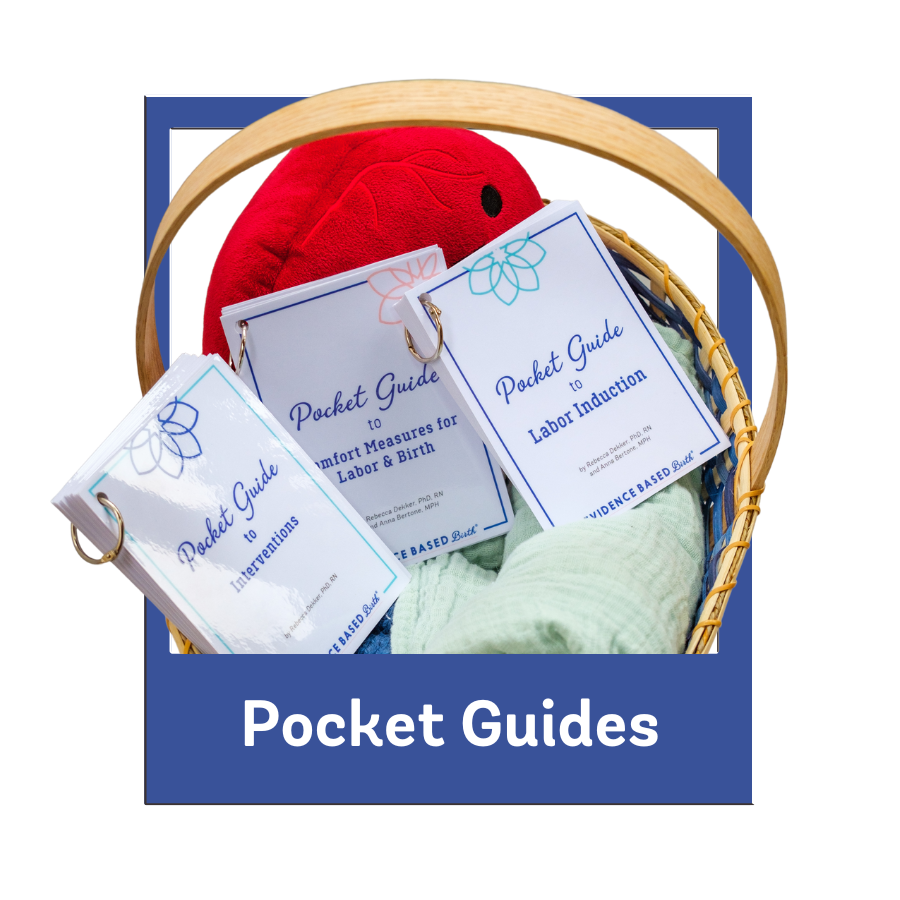
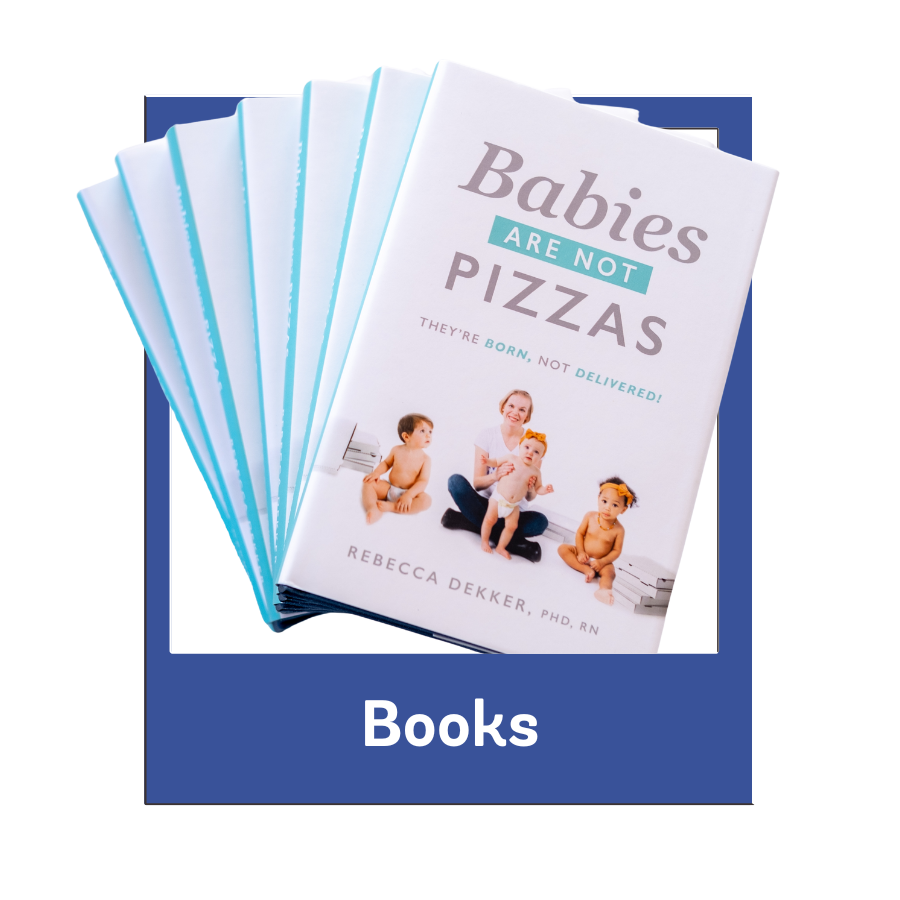
Get Empowered! Learn more…
REPLAY: EBB 217 – Disability Justice in Birth and Parenting with Stefanie Lyn Kaufman-Mthimkhulu
Don't miss an episode! Subscribe to our podcast and leave a review! iTunes | Spotify | YouTube Ableism shapes birth, parenting, and even the ways our society values whose lives matter. In this replay episode, Dr. Rebecca Dekker talks about disability justice in...
EBB 414 – Evidence on Natural Labor Induction: Acupuncture, Acupressure, and Breast Stimulation
Don't miss an episode! Subscribe to our podcast and leave a review! iTunes | Spotify | YouTube Acupuncture, acupressure, and breast stimulation are popular natural labor induction methods, but what does the latest research tell us about how well they actually...
EBB 413 – Evidence on Migraines and Pregnancy: Frequency, Prevention, and Comfort Measures
Don't miss an episode! Subscribe to our podcast and leave a review! iTunes | Spotify | YouTube Migraines during pregnancy can be debilitating, and figuring out how to prevent or manage them can be especially challenging. In this episode, Dr. Rebecca Dekker...